
YOSHITATSU Shoten
The Spirit of Hospitality Found in Yoshino Cedar Chopsticks
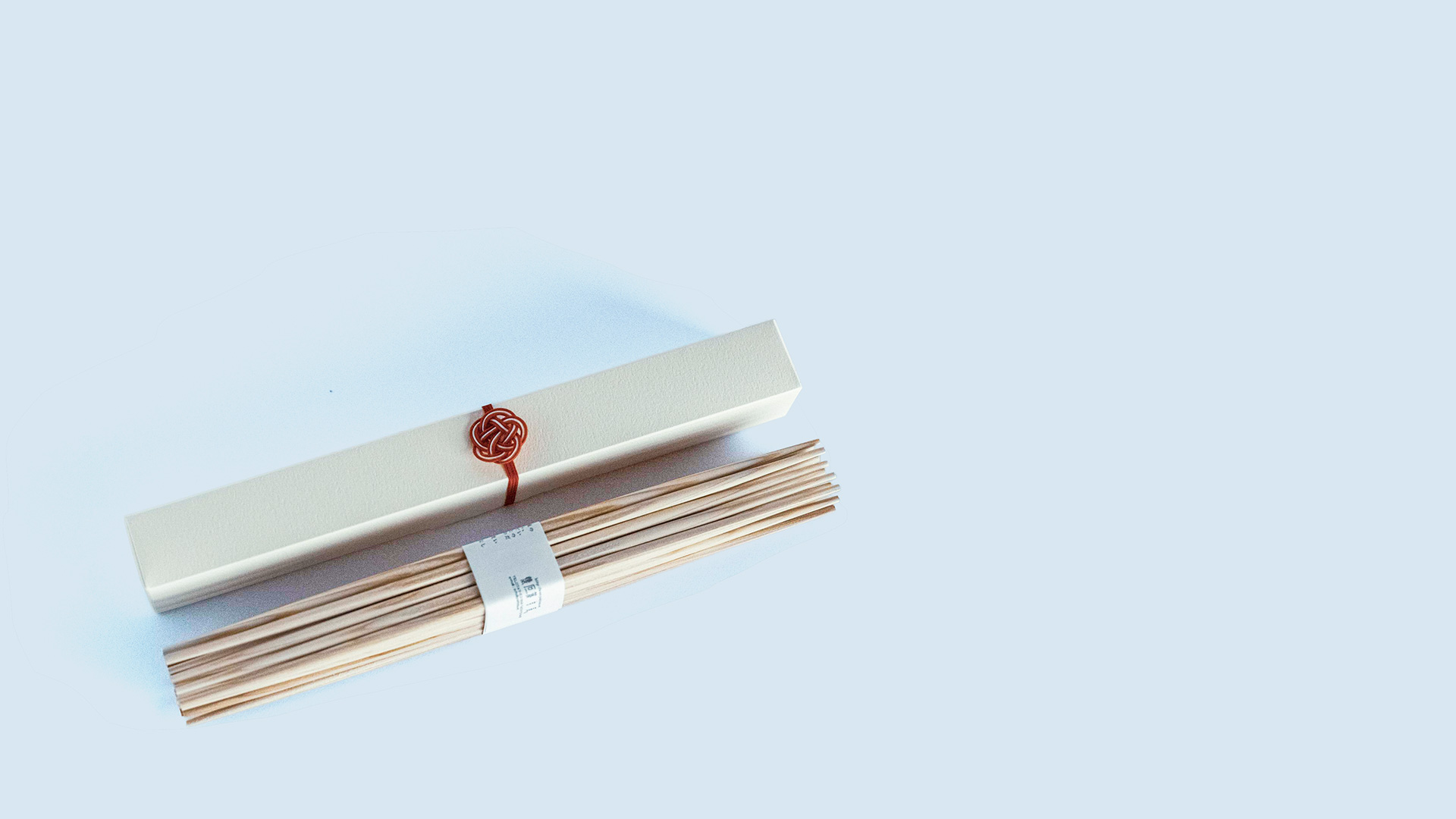
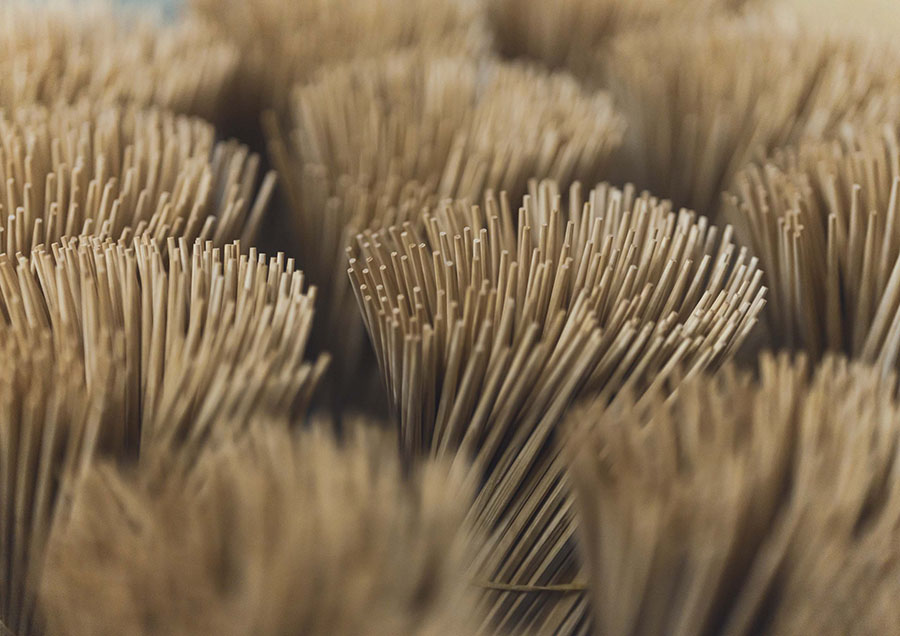
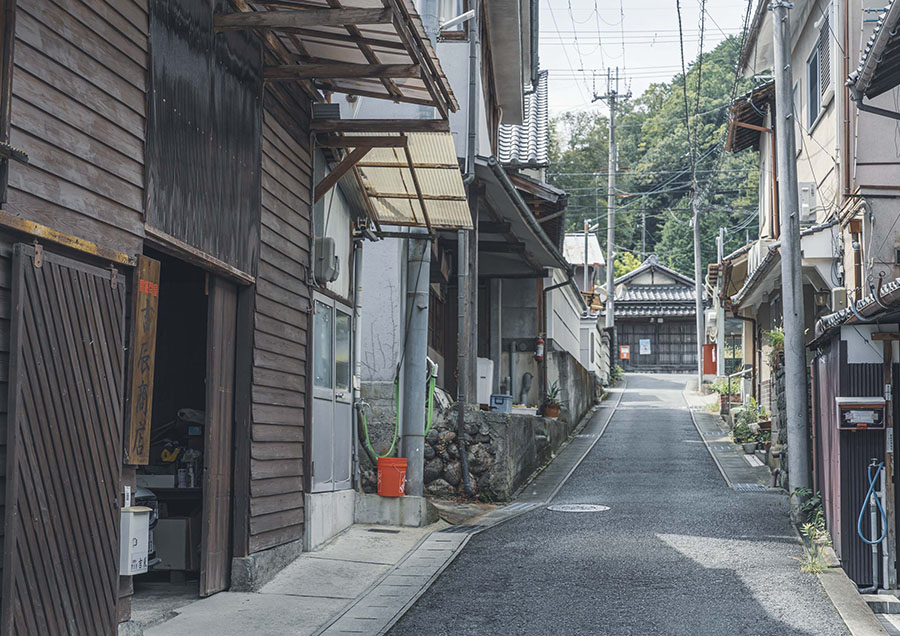
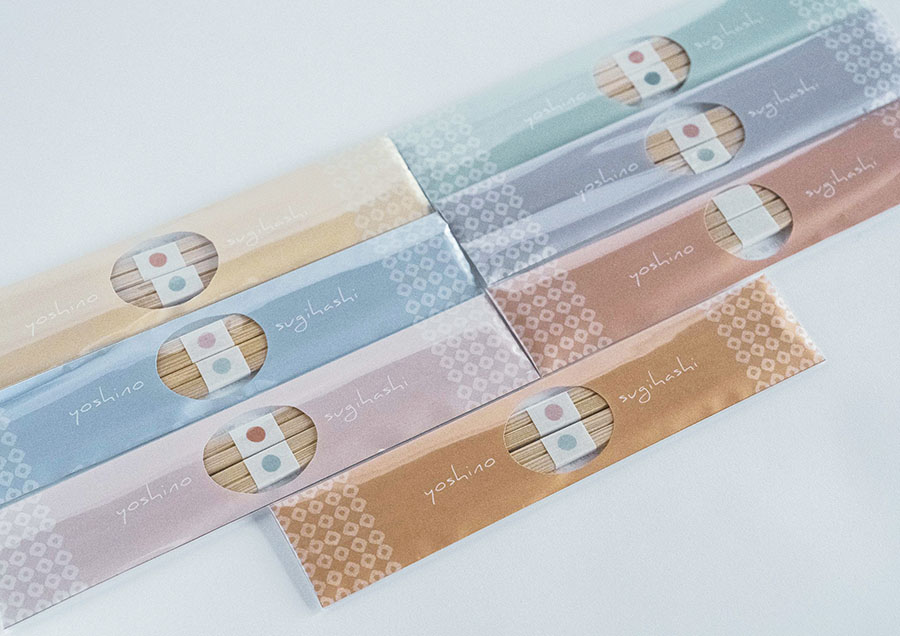
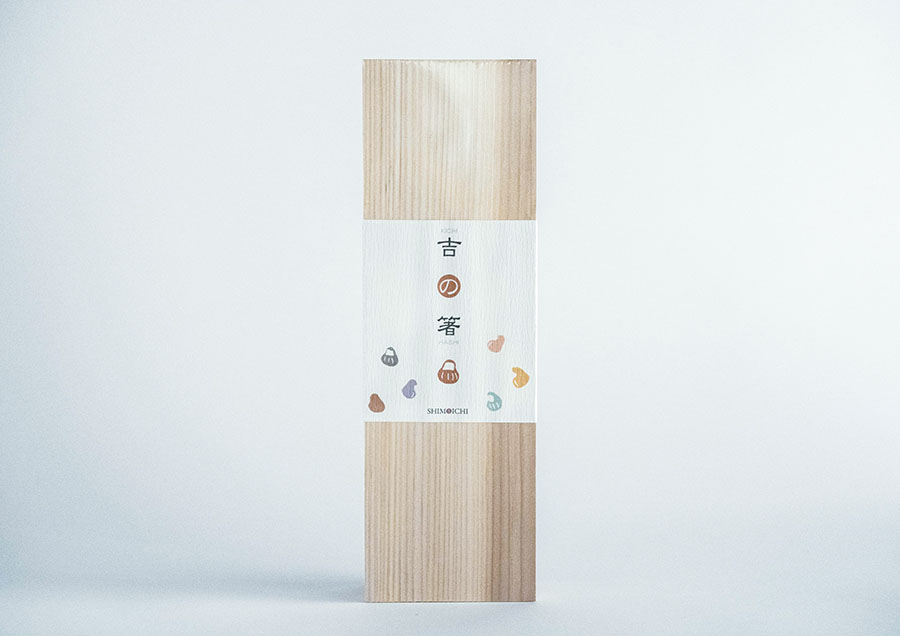
Founded in the late Edo period, YOSHITATSU Shoten is a long-established workshop specializing in high-quality kaiseki chopsticks made from Yoshino cedar in Nara.
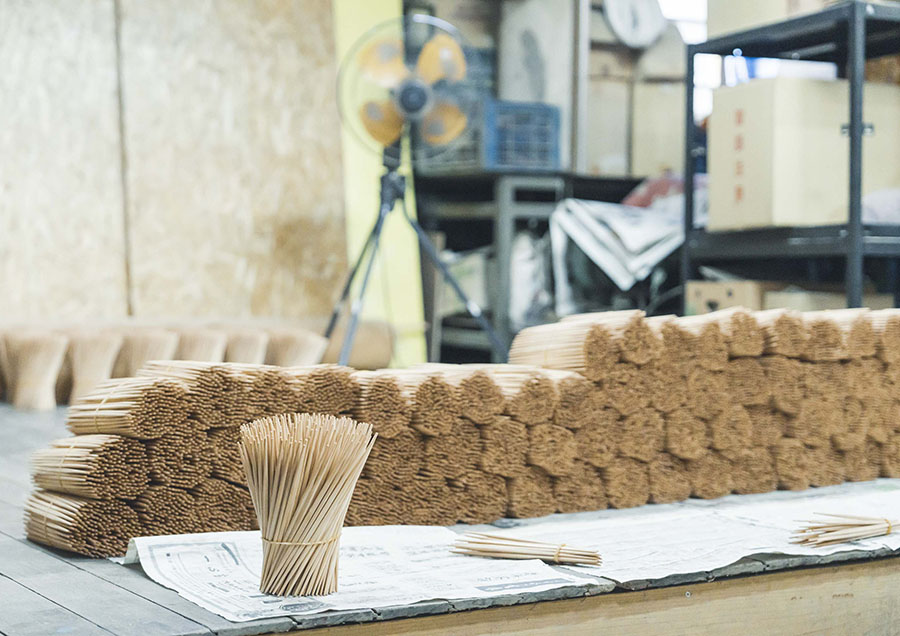
At a time when imported products dominate the market, the company has remained committed to a simple belief: using wood helps protect forests. By overseeing every step from production to sales in-house, Yoshitatsu Shoten continues to preserve Japan’s tradition of finely crafted, domestically made disposable chopsticks.
The delicate grain and gentle fragrance unique to Yoshino cedar bring a quiet beauty to each pair, delivering a sense of genuine warmth and authenticity to dining tables both in Japan and around the world.
Bornfield
Interview
Cultivating Forests, Safeguarding the Environment
Honoring Forestry as a Vital and Meaningful Craft
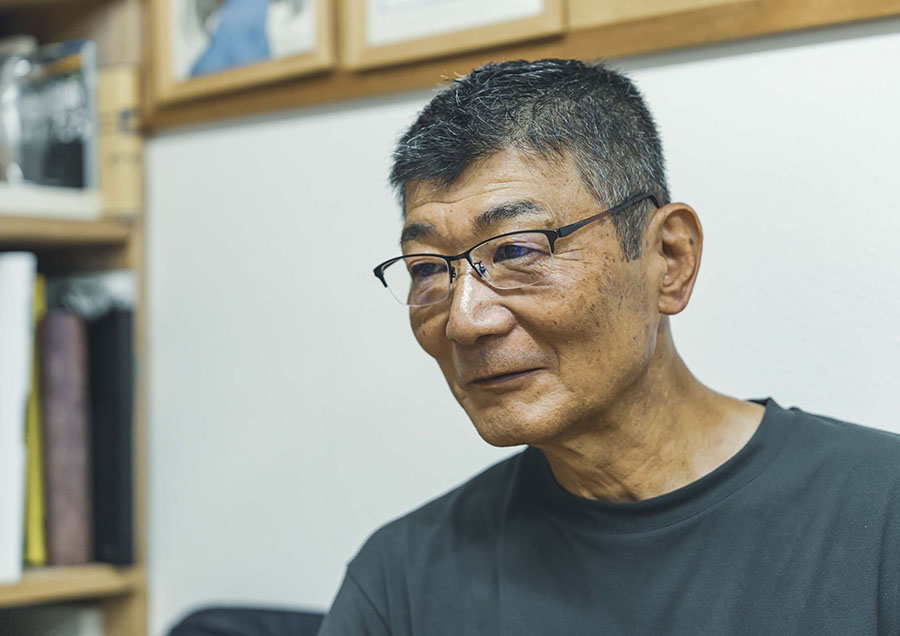
YOSHITATSU Shoten Tatsuya Yoshii
A Decision Born from the Fear of “Having Nothing Left to Sell”
—Could you briefly introduce YOSHITATSU Shoten and its business?
Yoshii:
From the late Edo period through my grandfather’s generation, our family was engaged in lacquerware finishing. However, in the early Showa era, demand for lacquered serving trays began to decline. Around that time, disposable chopsticks started to become widespread, and demand grew for chopsticks made from Yoshino cedar and cypress. It was then that my grandfather began making chopsticks — marking the true origin of our company.
In the beginning, we operated as a trading shop, purchasing products made by nearby craftsmen and selling them. Over time, however, cost-cutting trends in the food service industry led to a surge in imported disposable chopsticks — primarily bamboo — from countries such as China and Vietnam, which now account for nearly 98% of the domestic market.
As manufacturing declined in towns that had once thrived through woodworking, we felt a strong sense of crisis: if things continued this way, there would soon be nothing left for us to sell.
It was this realization that led us to make the decision to begin manufacturing ourselves. Moving from sales alone into hands-on production was a major turning point. Yet by becoming a business that handles everything from manufacturing to sales, we gained something invaluable — a fully integrated operation that has since become one of our greatest strengths.
A Dedicated Focus on Yoshino Cedar Kaiseki Chopsticks
Chopsticks designed for Japan’s most refined dining tradition.
—What distinguishes your disposable chopsticks?
Yoshii:
Today, we specialize exclusively in kaiseki chopsticks made from Yoshino cedar. About fifteen years ago, we made a major shift in our business direction, choosing to focus not on low-priced, mass-produced items, but on disposable chopsticks with genuine added value.
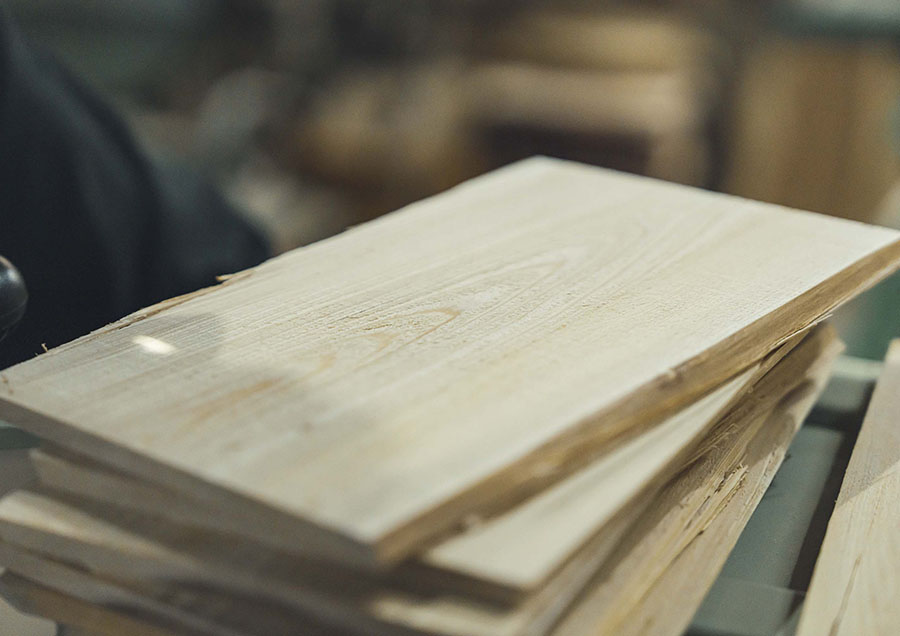
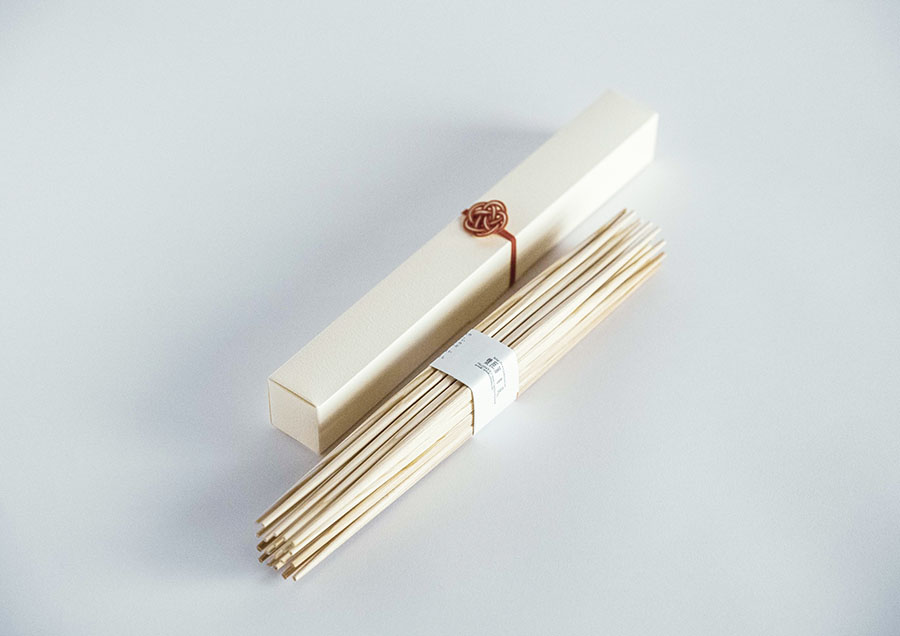
Yoshino cedar is prized for its fine, straight grain and subtle luster, giving it a refined quality well suited to kaiseki cuisine. Slender in form and comfortable in the hand, these chopsticks have an understated elegance that makes them an essential presence at celebratory and special occasions.
—How is such quality achieved?
Yoshii:
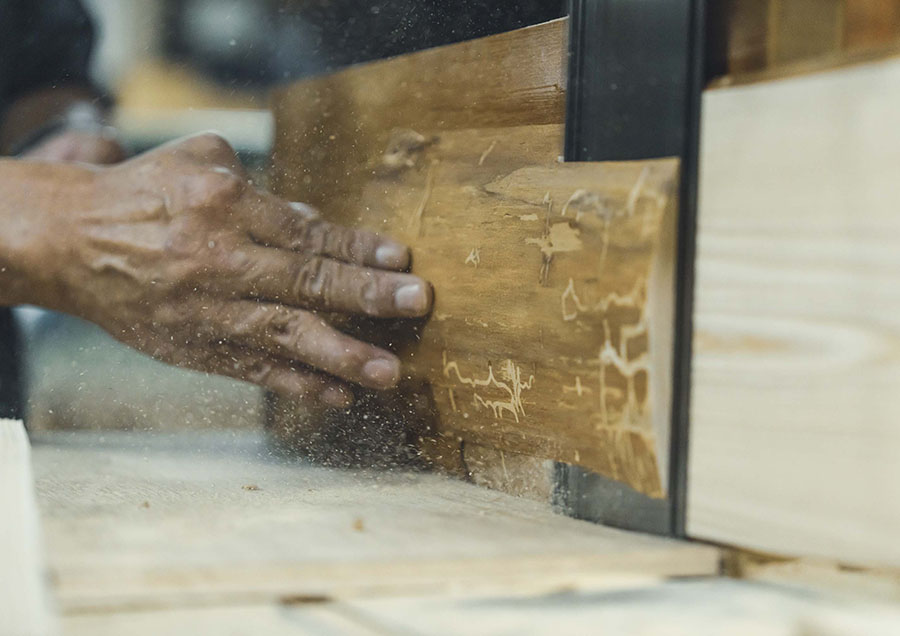
The most important step is the careful selection of materials. Even among Yoshino cedar, we examine the grain patterns and color tones in detail, choosing only the portions best suited for chopstick making. During the milling process, we pay close attention to every detail, from the precision of the edges to the uniformity of thickness.
The gentle aroma and soft, smooth texture of Yoshino cedar are also integral to its beauty. We believe that chopsticks are more than tools for eating; they are an expression of hospitality that connects the food, the person, and the moment. It is with this belief that we continue to craft our Yoshino cedar chopsticks.
The Happiness Felt Through Fine Chopsticks
—Disposable chopsticks are often associated with being “single-use.” What value do you see in them?
Yoshii:
Fine chopsticks have the power to elevate the atmosphere of any occasion. At weddings or celebratory gatherings, simply holding a pair of high-quality chopsticks can lend a sense of dignity and refinement to the meal itself.
Once, a customer told us, “Using these chopsticks makes me feel happy.” Hearing that someone could feel such joy—even with disposable chopsticks—has been a great source of encouragement for us.
The Appeal of Disposable Chopsticks You Want to Take Home
—Are there any words from customers that have left a lasting impression on you?
Yoshii:
Some customers have told us, “I want to take these home and use them there, too.”
Although they are disposable chopsticks, they can be washed, dried, and reused. Hearing that made us realize once again that they are not merely consumables, but tools that can enrich everyday life.
—What do disposable chopsticks mean to you personally?
Yoshii:
I would love for people to use them not only in restaurants, but also at home—at family meals or home gatherings. Experiencing and understanding what is truly well made in everyday settings can, I believe, inspire both consumers and restaurants to want to choose better quality.
We have also been actively exhibiting overseas. We participated four times in NY NOW, a trade show in New York, which helped open doors to select shops in New York and California, as well as to high-end restaurants. In many cases, recognition abroad has led to adoption back here in Japan as well.
Caring for the Mountains, Living in Harmony with the Forest
—How do you choose the wood used for your chopsticks?
Yoshii:
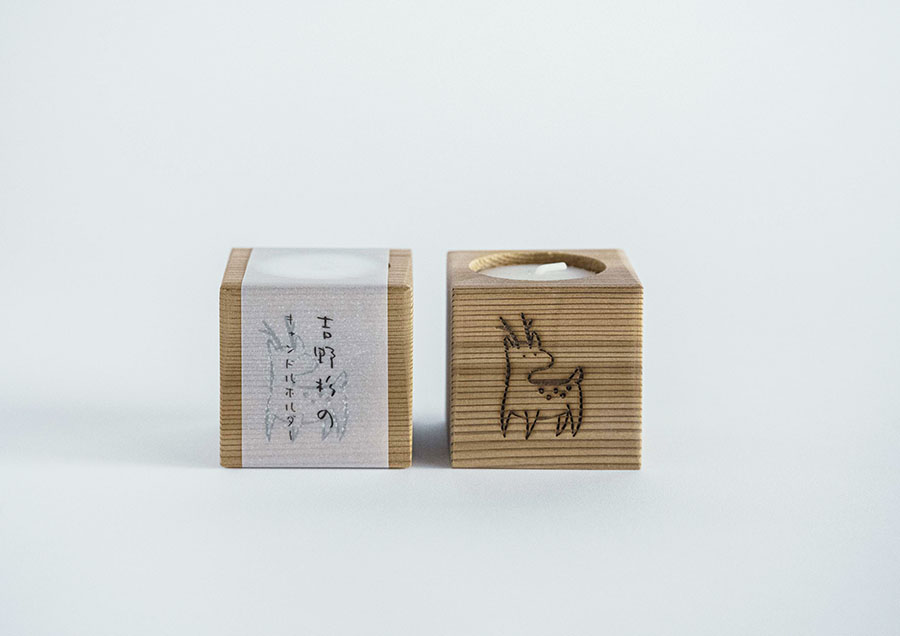
We use only Yoshino cedar. Just as sake barrels are traditionally made entirely from Yoshino cedar, it is highly valued for its fragrance and the beauty of its grain—qualities that make it ideal as a material for chopsticks.
—What do you value most in your relationship with the mountains and forests?
Yoshii:
When mountains are properly cared for, even heavy rains will not cause entire forests to collapse. However, when demand declines, pruning and thinning are neglected, trees grow too densely, roots fail to spread, and the mountains weaken.
Yoshino cedar has a long history of being carefully pruned and grown straight for use in buckets and barrels. Making use of this accumulated wisdom and technique is essential to creating forests that can be sustained into the future.
—How do you approach environmental responsibility?
Yoshii:
We want to further promote a way of life that embraces the use of wood. Modern homes often hide their wooden structures, but traditionally, people lived closely alongside wood.
Through chopsticks, we hope to offer a small but meaningful way for people to feel the warmth of wood in their daily lives, and to reconnect with a culture of living in harmony with natural materials.
Passing on Chopstick-Making and Stories of the Mountains to Children
—Why have you continued your work in the OKUYAMATO region?
Yoshii:
One of the reasons we have put down roots here is our strong connection with the local community. When children from nearby neighborhoods visit our workshop, we can speak to them directly about how chopsticks are made and about the mountains that sustain this craft. That experience carries great meaning for us.
Being in Yoshino, where high-quality cedar is readily available, allows us to secure excellent materials and build close relationships with everyone involved. As members of this community, we continue our work by supporting one another and growing together.
Using Domestic Wood and Sharing Japanese Culture with the World
—What are your future goals?
Yoshii:
Looking ahead, we want to continue actively using domestically sourced wood while sharing Japan’s chopstick culture with people overseas. Our aim is for chopsticks to be recognized not as disposable items, but as something genuine and enduring.
Because our products belong to a higher price range, expanding sales channels is not easy. Still, we believe this is a challenge worth pursuing, and we intend to keep moving forward.
A Future Preserved Through the Use of Wood
—Lastly, what message would you like to pass on to the next generation?
Yoshii:
First of all, I hope people will actually use wooden chopsticks. By using wood, forests and mountains can be cared for and preserved. Although our presence in both domestic and overseas markets is still small, we hope to steadily expand our reach.
Through Yoshino cedar chopsticks, we see it as our mission to pass on a culture that lives in harmony with nature to future generations.
Products
Company Info.
| Name | YOSHITATSU Shoten |
| Location | 〒638-0041 2764-6 Shimoichi, Shimoichi town, Yoshino District, Nara |
| yositatu@kcn.ne.jp | |
| HP | http://yoshitatsu.net/ |