
Sugano ORGANIC
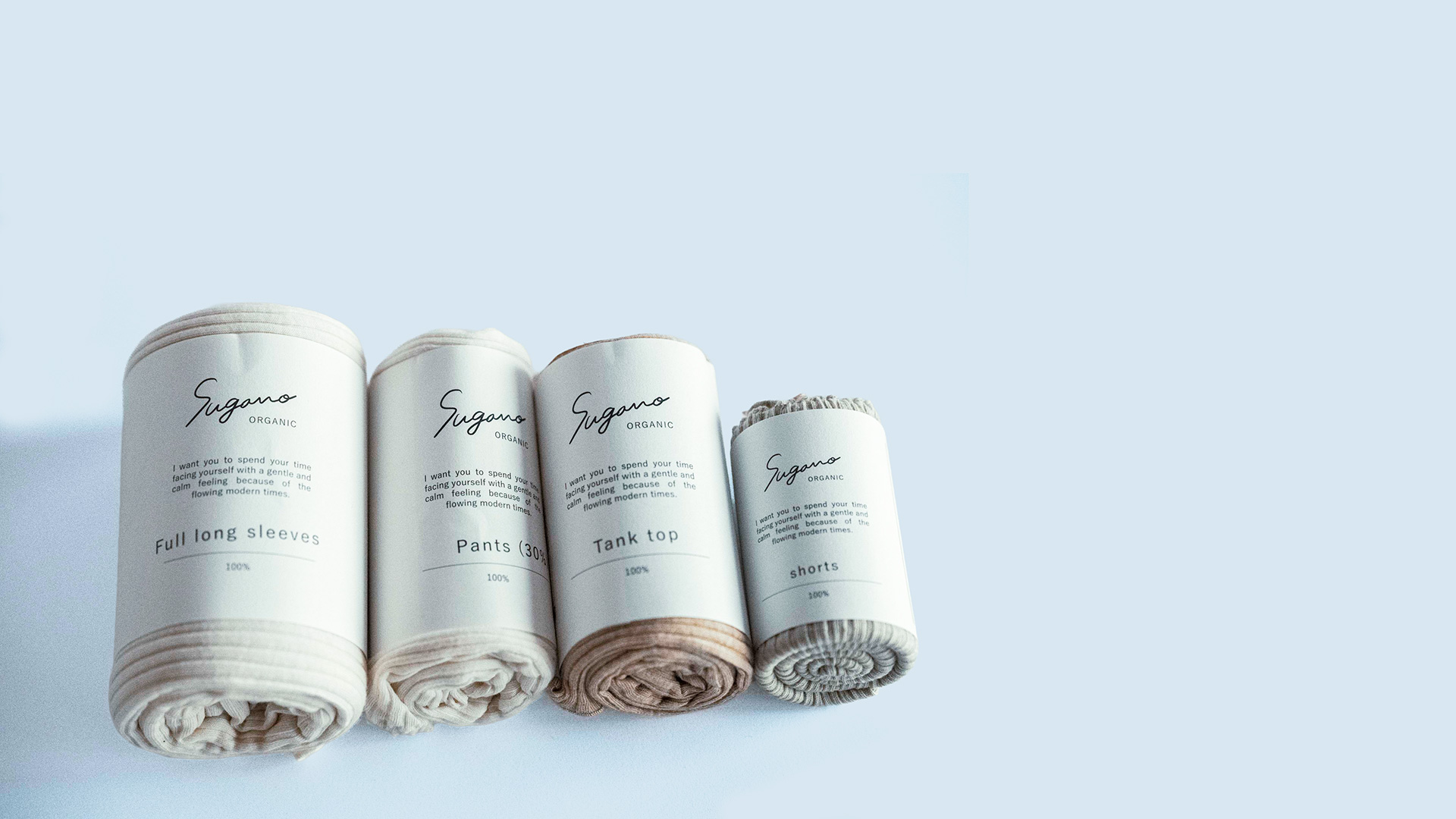
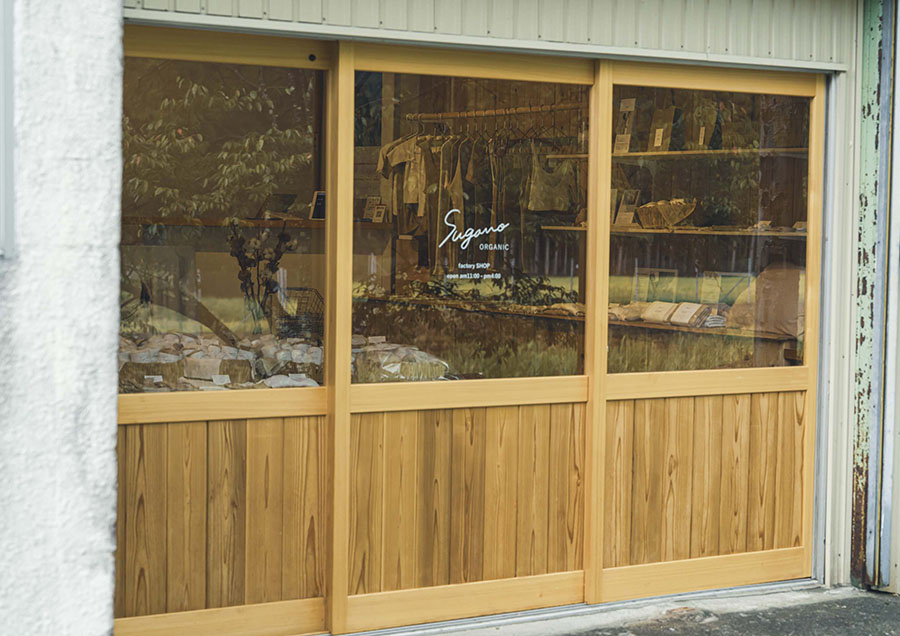
Surrounded by the rich nature of OKUYAMATO in Nara, Sugano ORGANIC is a sewing studio that has evolved from subcontract manufacturing into its own independent brand.
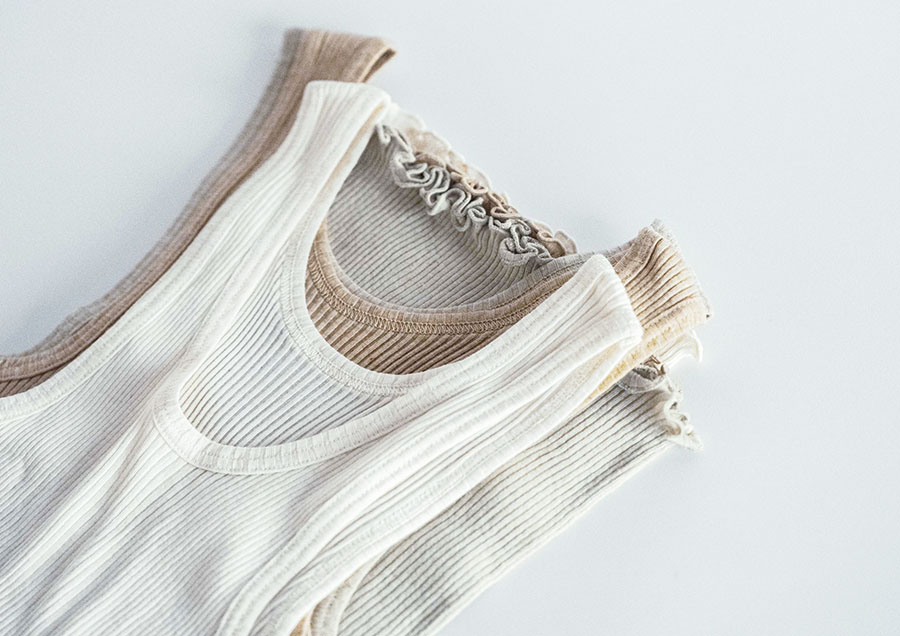
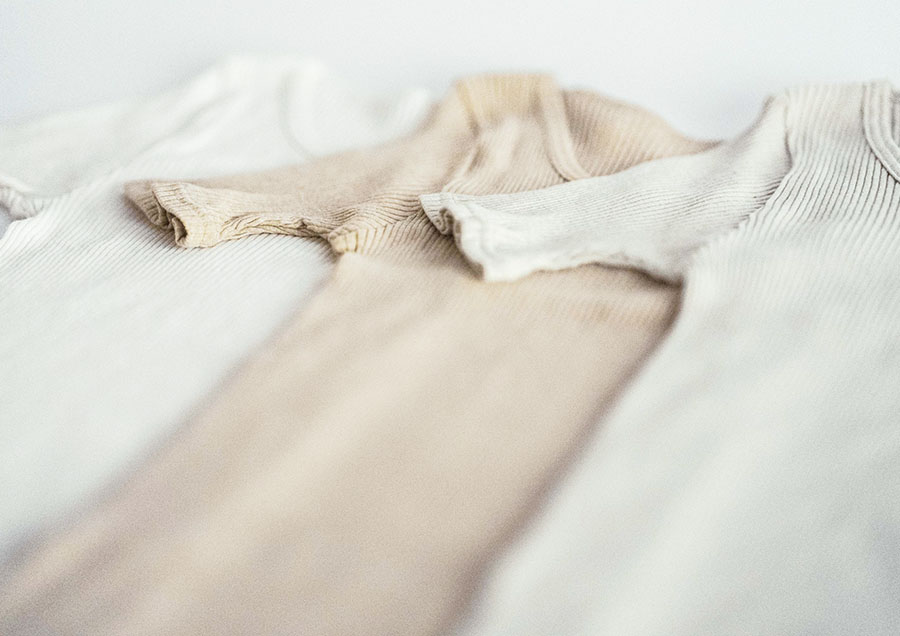
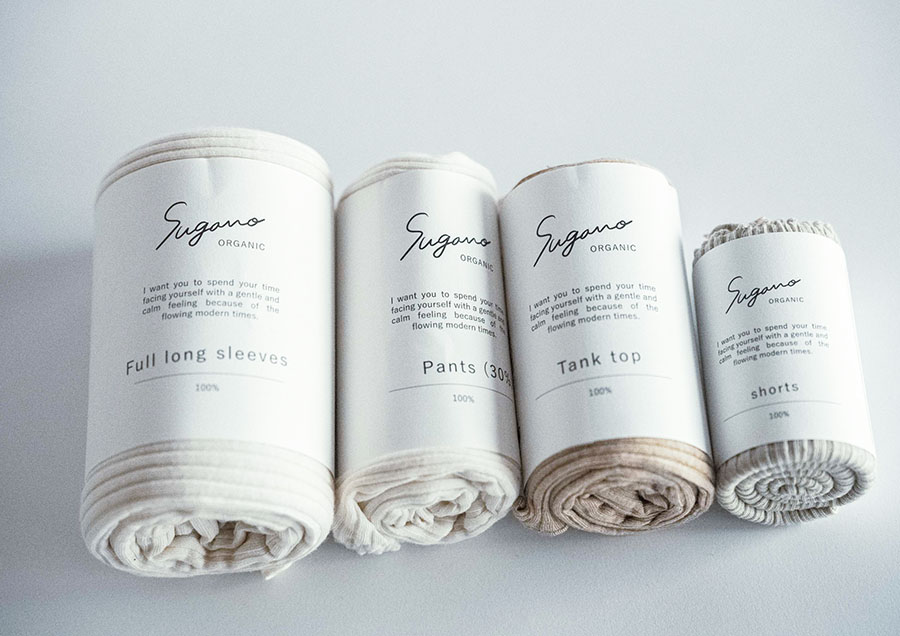
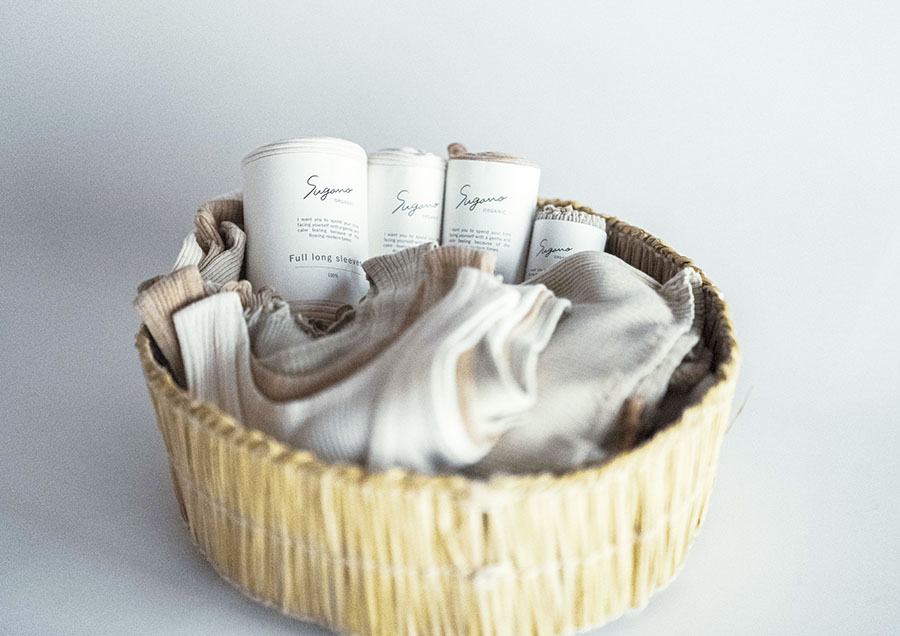
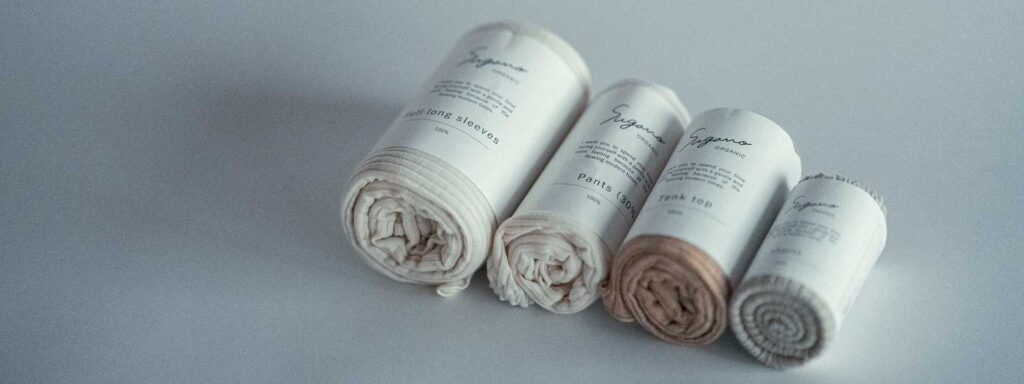
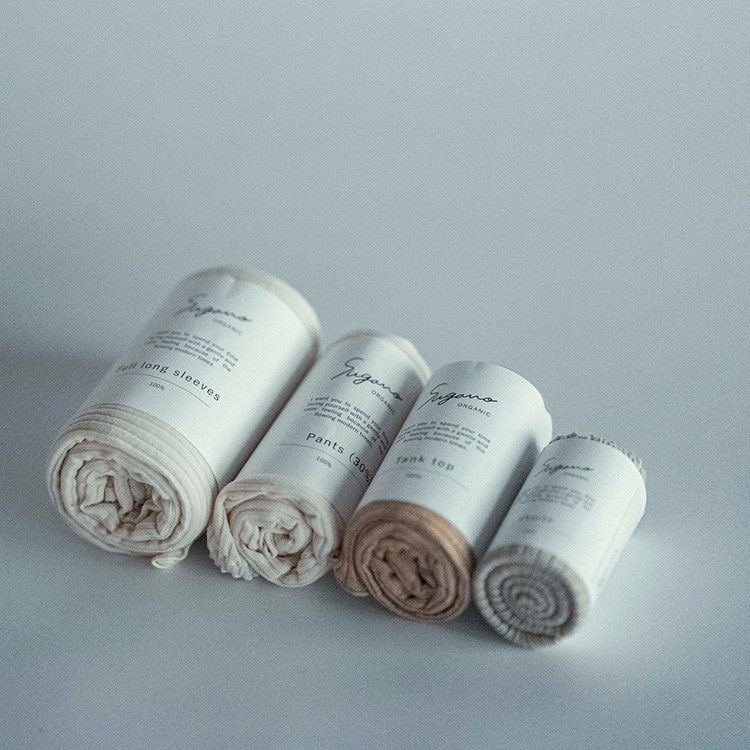
Using only 100% organic cotton and cotton thread, we carefully craft each garment one by one, creating underwear that feels gentle and free from restriction.
From our choice of materials that coexist with nature, to our one-of-a-kind sewing techniques and comfort-driven designs, every detail reflects our belief in authentic craftsmanship.
From a quiet satoyama village, we continue to share sincere products with the world—carrying our techniques and materials forward to the next generation.
Bornfield
Interview
Authentic Craftsmanship in Harmony with Nature
Sugano ORGANIC Co., Ltd. Tokuo Seigai
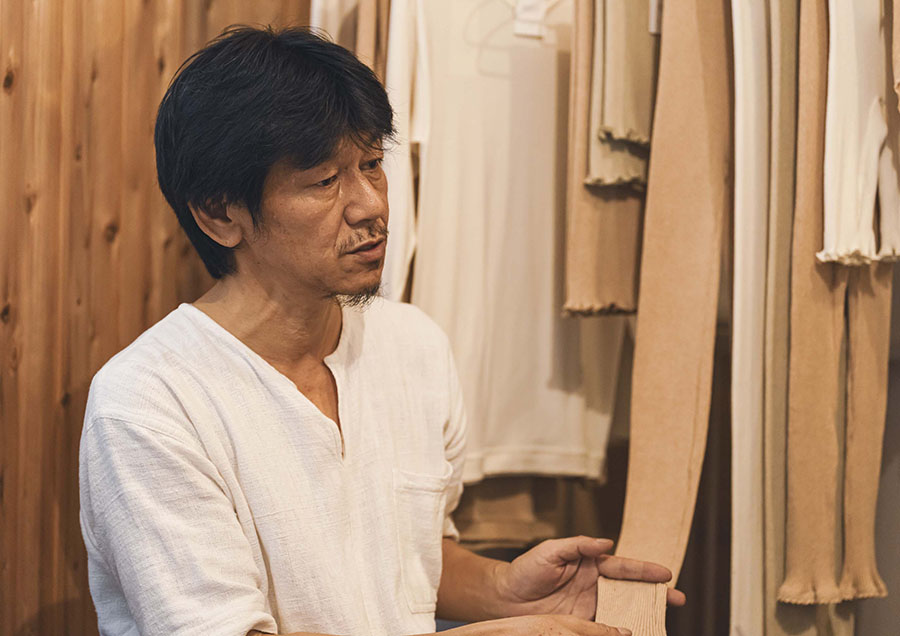
From Subcontracting to Authentic Craftsmanship
—To begin, could you tell us about the work and activities of Sugano ORGANIC?
Seigai:
Sugano ORGANIC traces its origins back to around 1970, when my grandfather began bringing in piecework, believing in the importance of “work that can be done within the community.”
By the time I was a child, many people had gathered to take on sewing work, and the operation had grown to a considerable scale. In those days, we were not producing underwear, but rather household goods, and there were nearly thirty sewing factories clustered in the surrounding area.
However, in the 1990s, much of the sewing industry shifted overseas to China, forcing our workshop to undergo a major transition. Around the year 2000, driven by my mother’s strong desire “to create something genuine,” we encountered organic cotton and decided to begin anew.
The Decision to Commit to 100% Organic
—What led you to begin making underwear using 100% organic materials?
Seigai:
At the time, I was working as a salaried employee, but my mother had long felt a sense of discomfort with chemical fibers during our years as a subcontractor. The question of “Why is this considered acceptable?” never left her mind, and it ultimately led to the decision to challenge ourselves by committing to 100% organic materials.
Looking back, when we were working with chemical fibers, the hands of our sewing artisans were constantly rough and damaged, always requiring hand cream. After switching to organic cotton, however, the irritation disappeared and their hands gradually returned to a natural state. Through this experience, we came to understand firsthand how chemical fibers can strip away oils and moisture.
The natural texture and comfort of organic cotton also left a strong impression on us, becoming one of the key reasons we continue to insist on organic materials today.
How Organic Materials Changed Our Lives and Mindset
—How did encountering “organic” materials change your daily life and your approach to craftsmanship?
Seigai:
I originally worked as a mechanic and lived a life completely unrelated to organic materials. When choosing products, I focused mainly on price and rarely gave much thought to where things came from or how they were made.
However, after I began helping with my mother’s work and studying organic materials in depth, I came to understand the reality of how farmers are often exploited, as well as the impact that synthetic fibers can have on both people and the environment.
Through this experience, my own way of living gradually changed. I stopped taking medication casually and began to think more carefully about the relationship between materials and the human body. Encountering organic materials prompted me to reconsider the very foundations of my daily life.
Today, Sugano Workshop focuses primarily on 100% organic cotton underwear, while also developing items such as sleepwear. The skin around the hips is said to have a particularly high absorption rate and can greatly affect physical condition. We have received many comments such as “my body feels more balanced” and “my skin irritation has improved,” which has reaffirmed for us the powerful influence that materials can have on the human body.
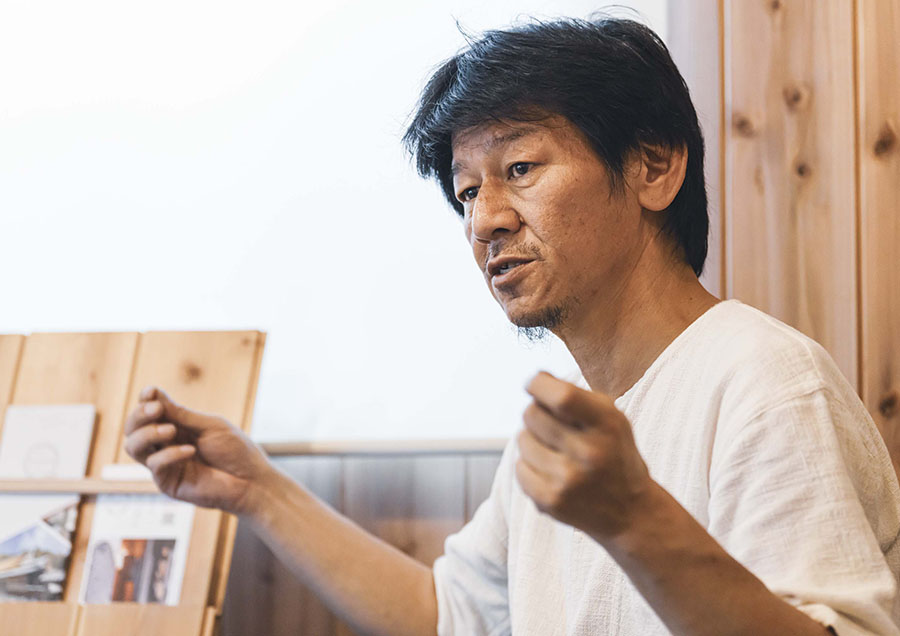
Cotton Grown in Harmony with Nature, Without Reliance on Chemicals
—Could you tell us why you choose organic cotton, and what you find appealing or remarkable about the material?
Seigai:
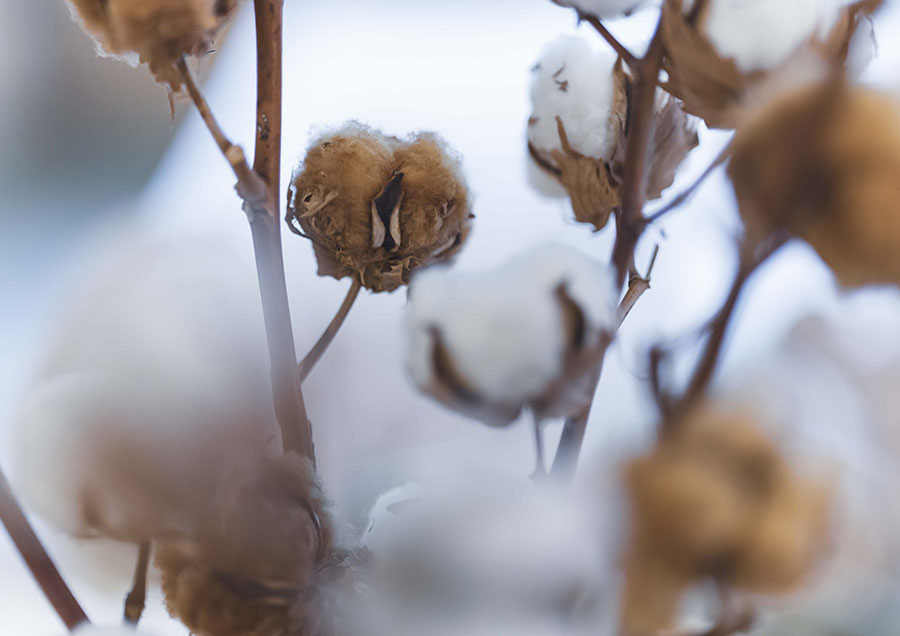
The cotton we work with is grown by Sally, who was originally an entomologist. Because she understood that cotton can thrive without the use of pesticides, she was able to establish a cultivation method that does not harm the natural environment.
Organic cotton, with its excellent moisture retention and gentle qualities for the human body, feels to us like the ideal material.
—What do you value most when selecting materials?
Seigai:
Above all, what matters most to us is the presence of producers we can truly trust. Sally is one such partner, and we place great confidence in the cotton she grows.
For white cotton, we select high-quality sources such as those from Tanzania, while entrusting trusted partners to assess aspects such as color tone and strength.
We never compromise on any single material, choosing only what we believe to be the most suitable. This careful discernment is at the heart of our approach.
A One-of-a-Kind Technique: Sewing with Cotton Thread
—Among the sewing techniques you have cultivated over many years, what processes or principles do you value most?
Seigai:
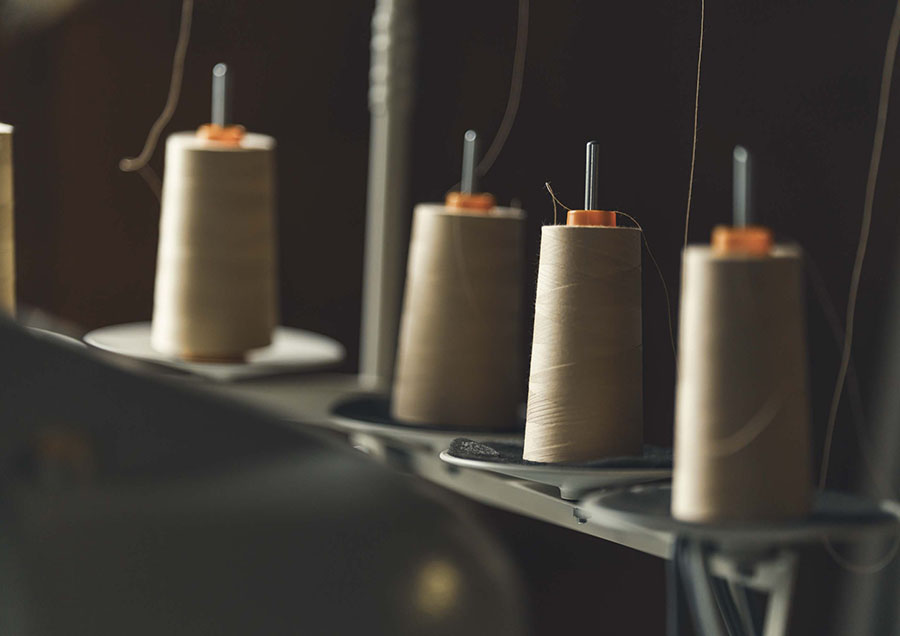
One of our greatest strengths lies in our ability to sew using cotton thread. This is not an easy technique to master, and we believe it is something that truly sets us apart. Working with stretchable fabrics is challenging, but precisely because we value the material, we handle it with care and without waste.
In the apparel industry, it is often said that the defect rate during production can reach as high as 30 percent. In our workshop, however, the defect rate is around just 0.1 percent—an expression of our refusal to compromise on quality.
After cutting, some fabric remnants inevitably remain, but we are always thinking of ways to reuse them, such as transforming them into children’s toys like niginigi (soft grasping toys).
We also use custom-made sewing machines, selecting the most suitable ones depending on the thread and the product. Attention to such fine details is essential to bringing out the full potential of the materials.
Wearing Comfort, Without Constriction
—When pursuing comfort in design, sizing, and texture, what do you keep in mind most carefully?
Seigai:
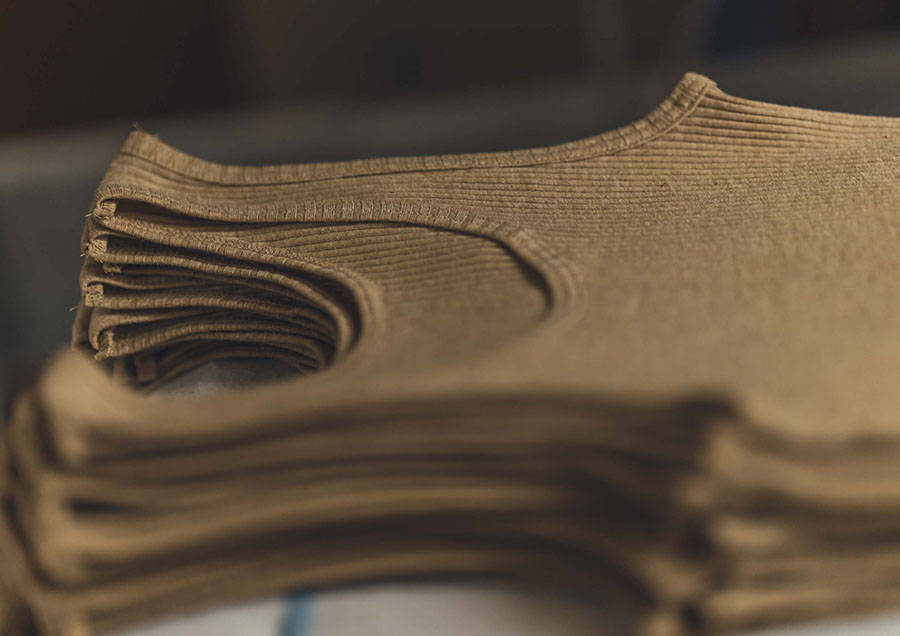
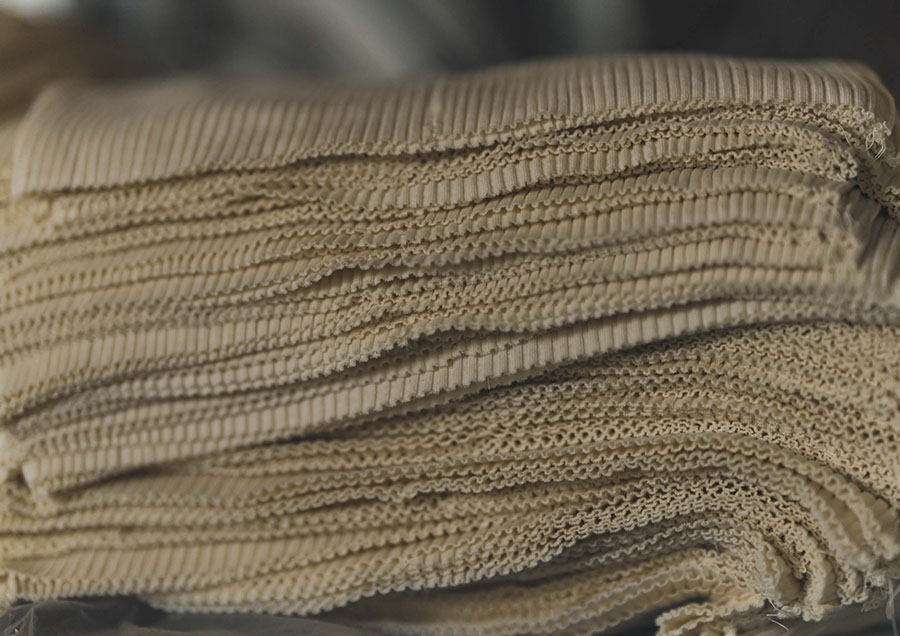
Above all, we focus on creating garments that do not constrict the body. By making use of the fabric’s natural elasticity, we avoid side seams and tailor each piece to follow the body’s natural lines. This is one of our ways of eliminating the discomfort often caused by seams.
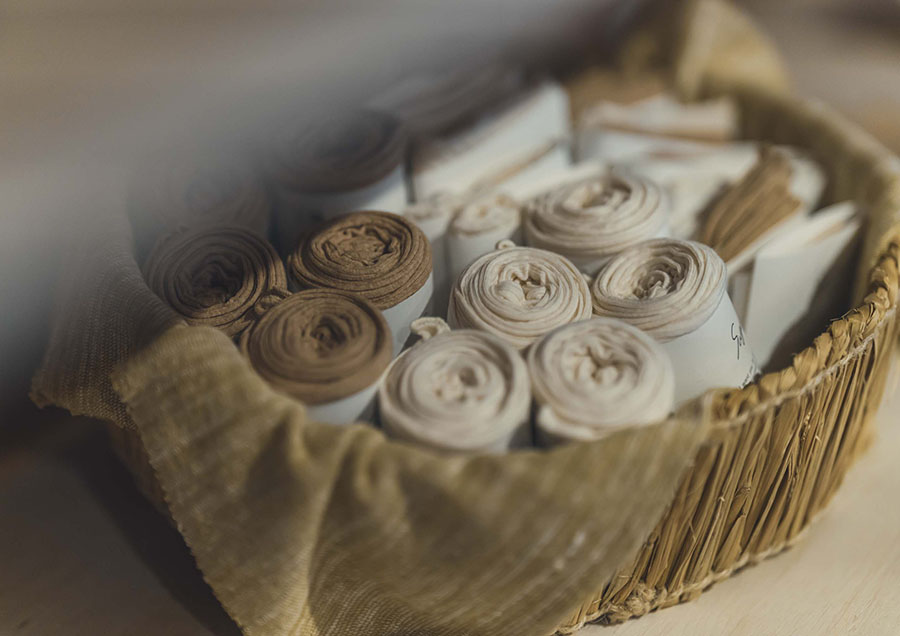
For waistbands, we use natural rubber, and for dyeing, we rely on natural materials. Even auxiliary components are unified under organic standards.
We believe that true comfort can only be achieved when not only the feel and functionality, but every element of the garment is thoughtfully aligned through organic materials.
When Comfort Transforms Everyday Life
—Are there any memorable comments from those who wear your garments, or stories that show how they fit into daily life?
Seigai:
Many people speak of changes in their sense of comfort and ease. We have heard voices saying that menstrual pain has eased, or that they are now able to sleep more soundly at night. Such feedback is a great source of encouragement for us and reinforces our commitment to continue making these products.
We also see many customers who first encountered our garments through Japan’s furusato nozei program and later return to purchase again. Moments like these make us feel that our products are truly supporting the quality of everyday life.
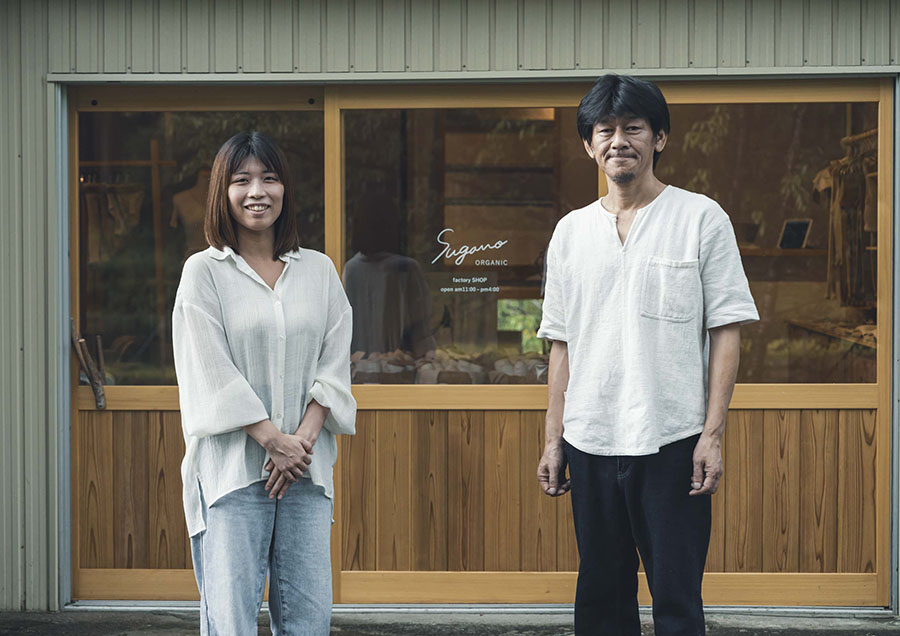
A Workshop Surrounded by the Sounds of Insects and Flowing Water
—How does the land of OKUYAMATO and Mitsue Village influence the background of your brand?
Seigai:
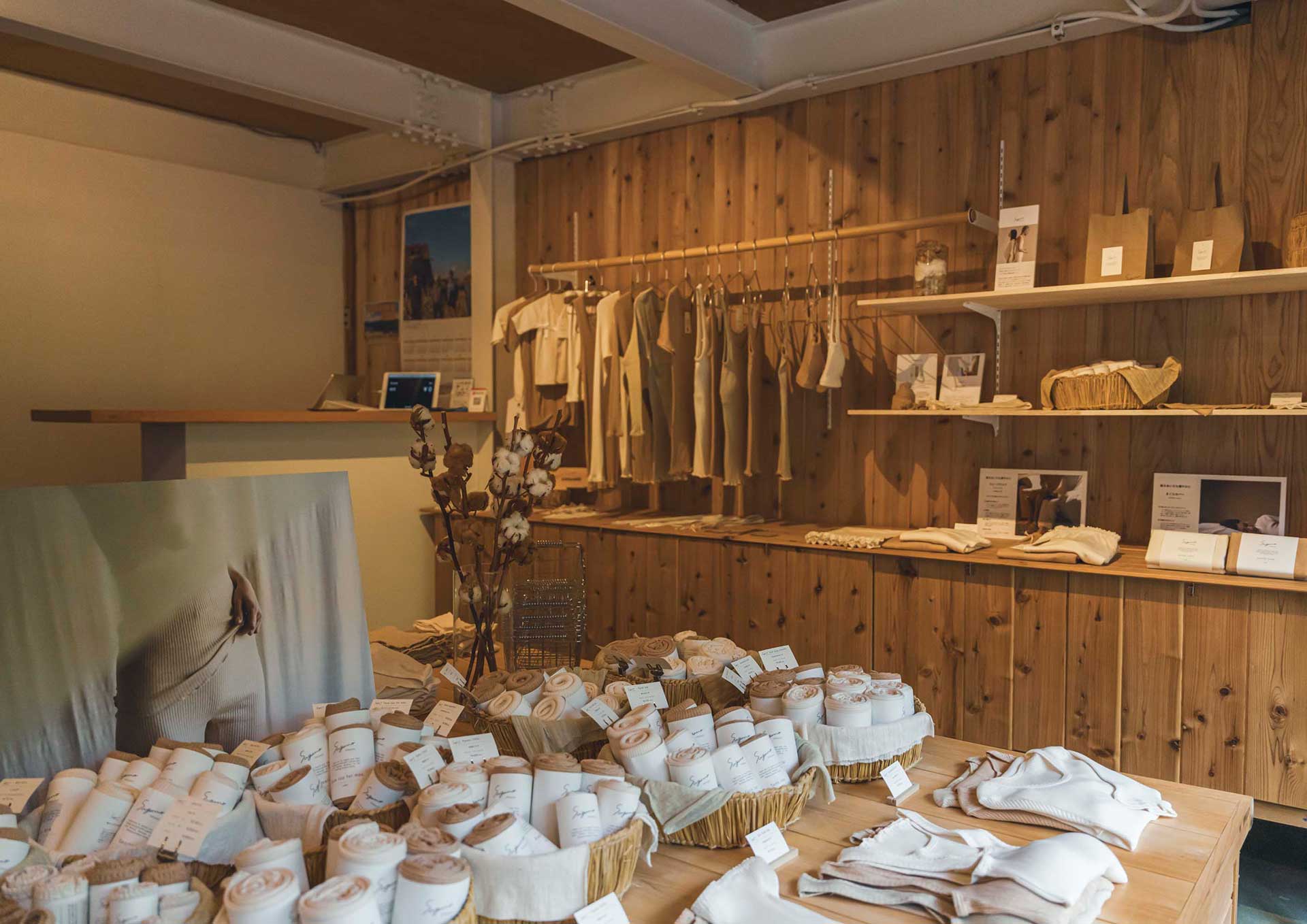
The name “Sugano ORGANIC” was taken from the name of this area. In 2025, we opened a physical shop, furnishing it with fixtures made from cypress grown by my grandfather, and filling the space with recordings of insect sounds and the gentle murmur of the nearby river. The natural environment of OKUYAMATO lives on directly in the shop and in the brand’s story.
There is a quiet, almost timeless atmosphere to this place. I believe it is a destination that draws people who seek things of true value. Continuing to use the workshop passed down from my grandfather to my parents and then to me is also a testament to the deep connection between this land and our craft.
—Living in the OKUYAMATO region, what do you feel most strongly, and what would you like visitors from outside the area to know?
Seigai:
Above all, I want people to know about the richness of nature here. In summer, fireflies can be seen along the river that flows in front of the shop. Although the population has declined from around 3,000 to 1,500, and we feel a sense of urgency about the future, we still hope to bring more people to this village.
We also have an initiative to gift baby undergarments to newborns in the community. Our affection for Nara as a whole runs deep, and we hope that local residents will also come to use and cherish our products.
A Mission to Preserve Craftsmanship and Materials
—Are there any new challenges you hope to take on, or activities you would like to expand in the future?
Seigai:
To further grow our presence in Japan, we believe it is important to strengthen our reputation overseas. Through connections with Sally, we have seen an increase in orders from the United States, and we are also beginning to connect with buyers in China and customers abroad who are drawn to a more nature-oriented lifestyle.
When we previously operated a store near Tokyo Station, we realized that people in urban areas often have a strong awareness of health-related issues and a deep sense of urgency about them. Since then, online purchases have continued to grow, and we now have a large number of repeat customers. Looking ahead, we hope to create a natural expansion in which these loyal customers introduce our products to friends and family.
A Passion to Reach as Many People as Possible
—What would you like to pass on to the next generation?
Seigai:
My mission is to protect organic materials and the sewing techniques that have been cultivated over many years, and to pass them on to the next generation. At present, we have only a small number of in-house artisans, and there is also no clear successor for Sally. We view this situation very seriously, as these precious materials and skills could be lost if nothing is done.
That is why it is essential to let more people discover our products and to create an environment where someone can say, “I want to do this kind of work.” We continue to expand production, develop new sales channels, and share our story through exhibitions and pop-up events. By participating in exhibitions mainly across the Kansai region, we strive every day to bring our products to as many people as possible.
Products
Company Info.
| Name | Sugano ORGANIC Co., Ltd. |
| Location | 〒633-1302 2696 Sugano, Mitsue Village, Uda District, Nara |
| suganokoubou@gmail.com | |
| HP | https://suganokoubou.com/ |