
NULworks
Sharing Lacquer with the World, Rooted in the Region
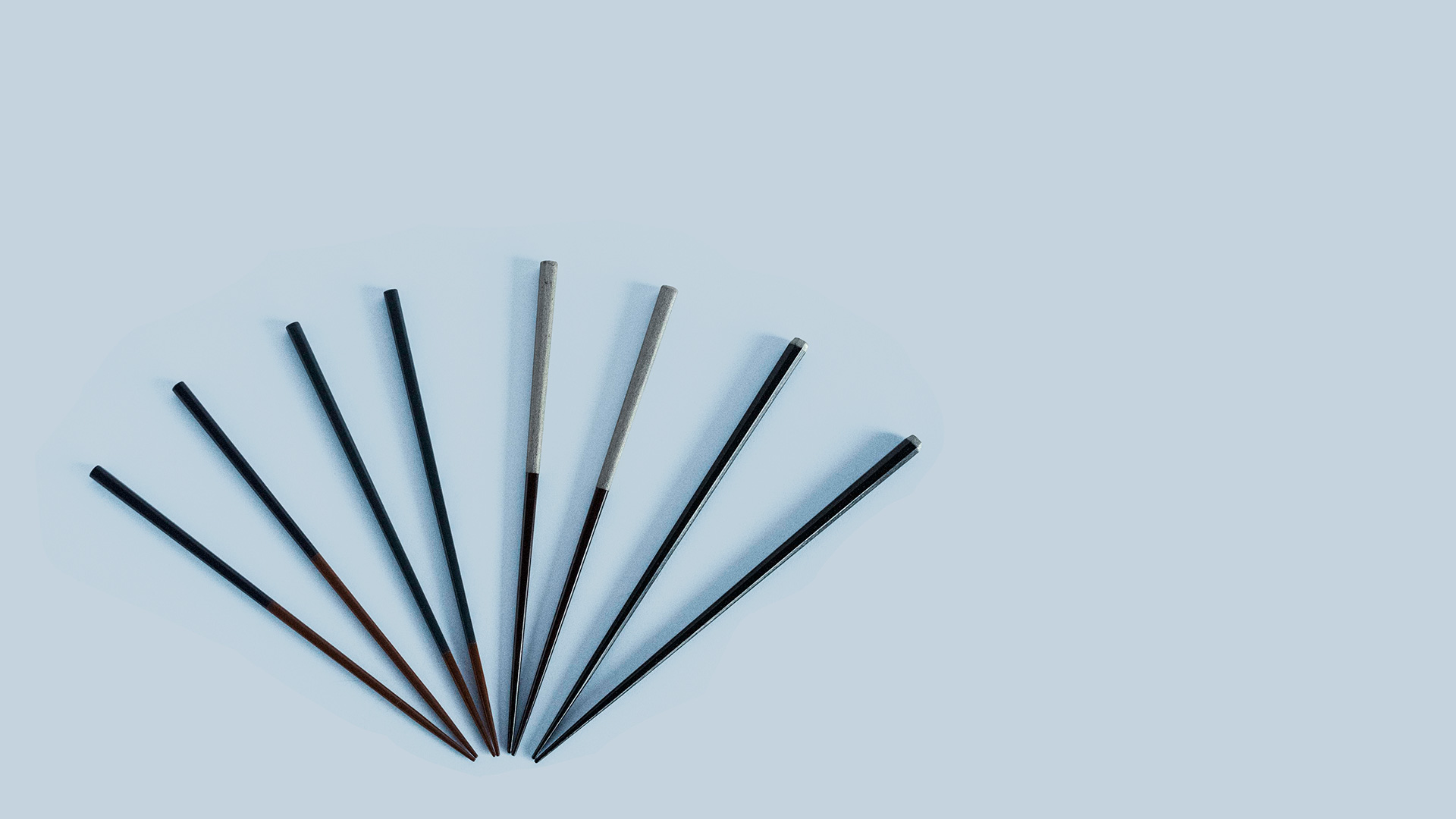
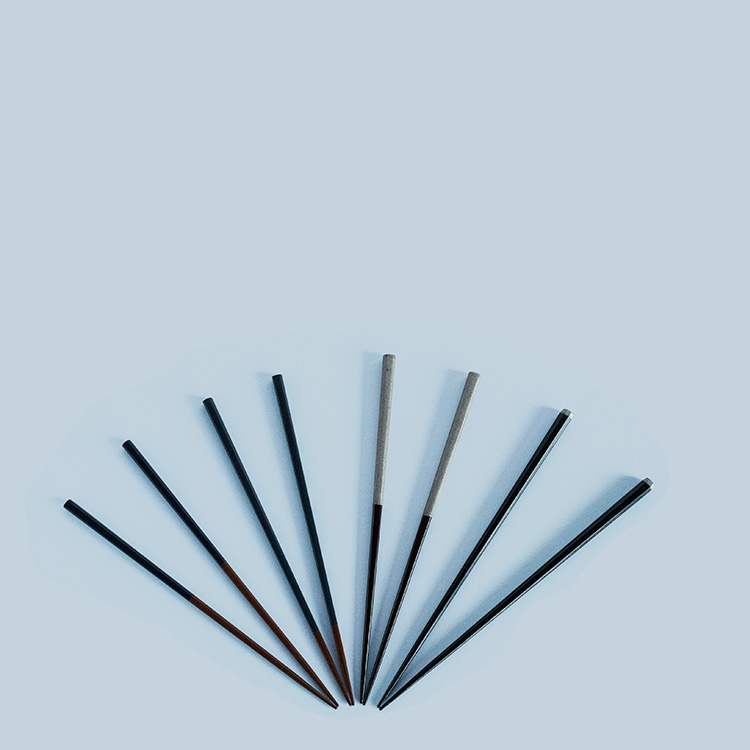
Based in Uda City, Nara, NULworks proposes new ways of living with lacquer under the theme “Beyond each bite.” From chopsticks to other everyday objects, its products bring together the quiet precision of handcraft and refined design, adding a subtle sense of beauty to daily life. From the nature-rich landscape of Uda, NULworks connects tradition with contemporary sensibilities, carrying the evolving appeal of lacquer from the region to the world.
Bornfild
Interview
Sharing Lacquer with the World, Rooted in the Region
NULworks Koyuki Sakamoto
Lacquerware Rooted in Everyday Life
— Could you tell us about the activities of NULworks?
Sakamoto:
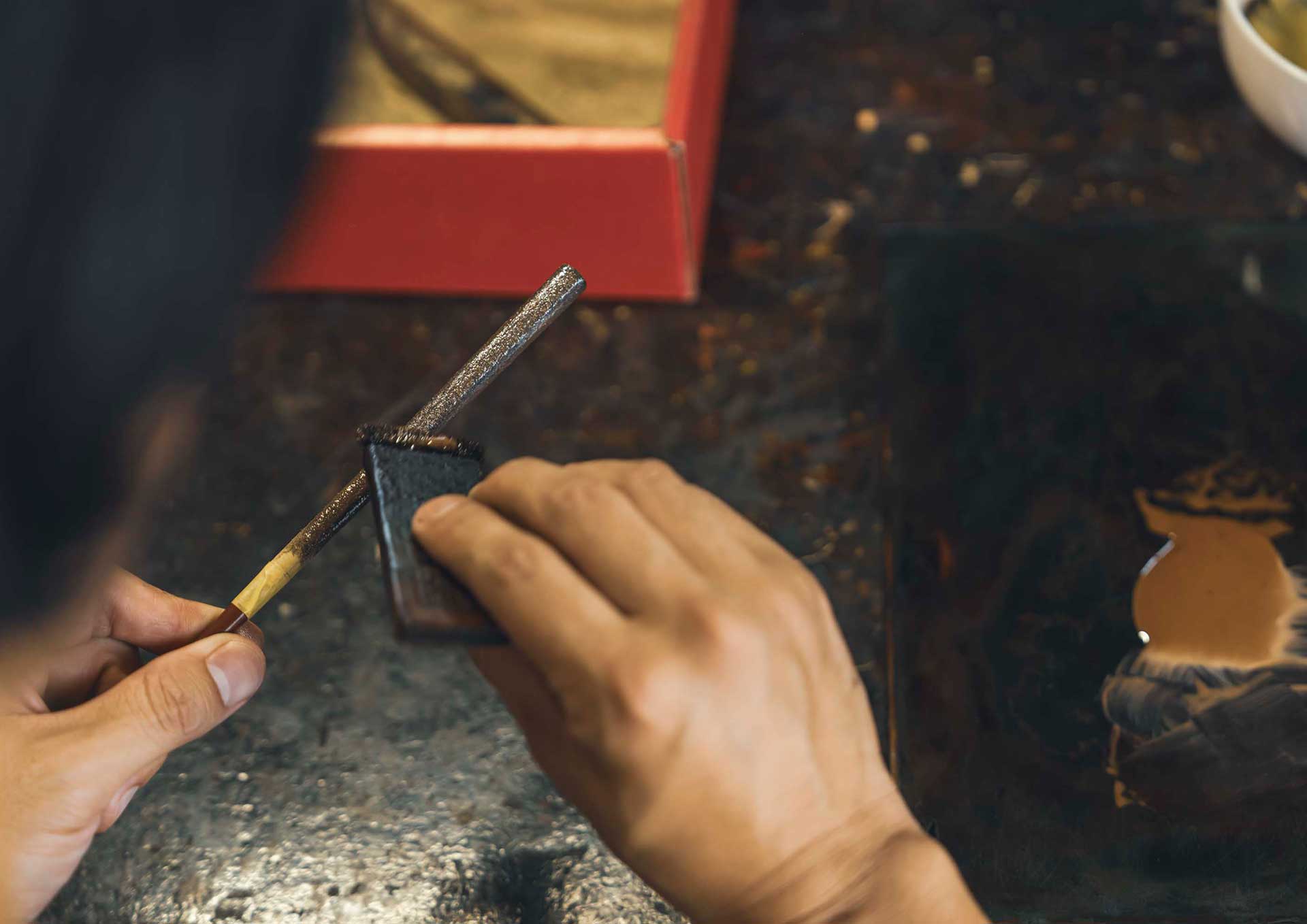
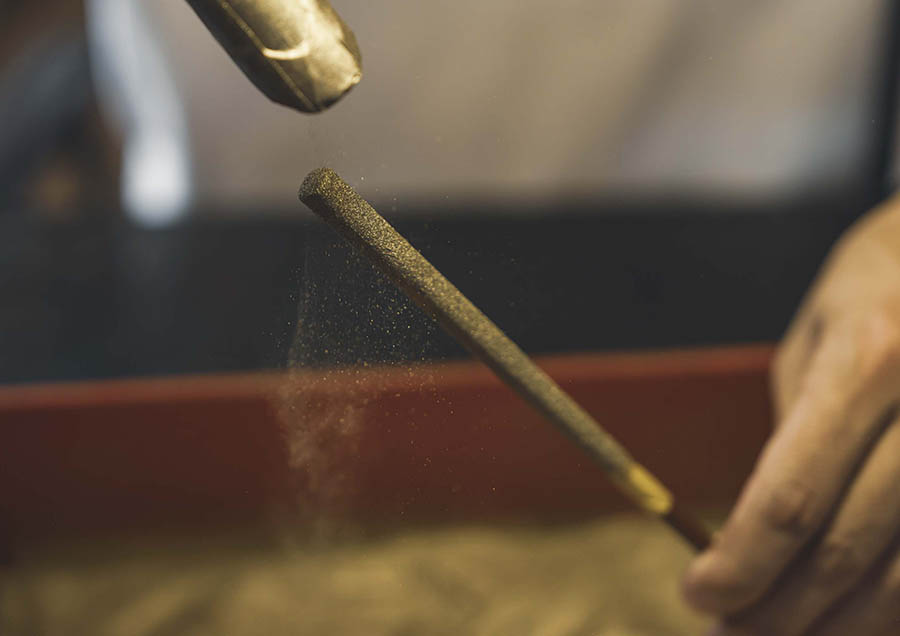
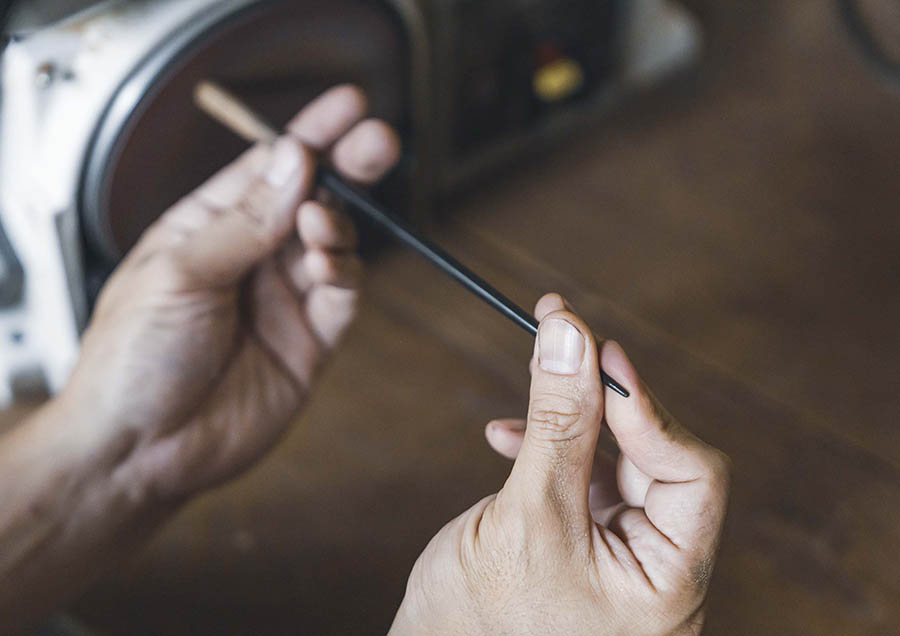
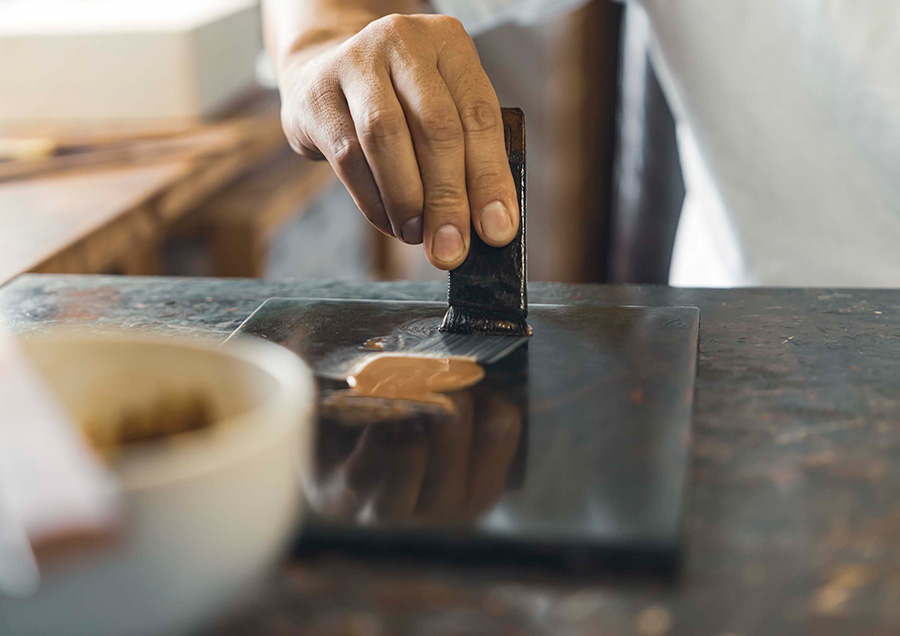
NULworks plans and produces lacquerware designed for everyday use. Rather than creating one-of-a-kind pieces, we focus on medium-scale production, managing the entire process from concept development to manufacturing.
In addition to product creation, we are also preparing experiential programs such as kintsugi classes and lacquer workshops. Through these two approaches—making products and creating opportunities to experience lacquer—NULworks seeks to expand the ways people encounter this traditional material.
— How did you first encounter lacquer, and what led you to establish a lacquerware brand?
Sakamoto:
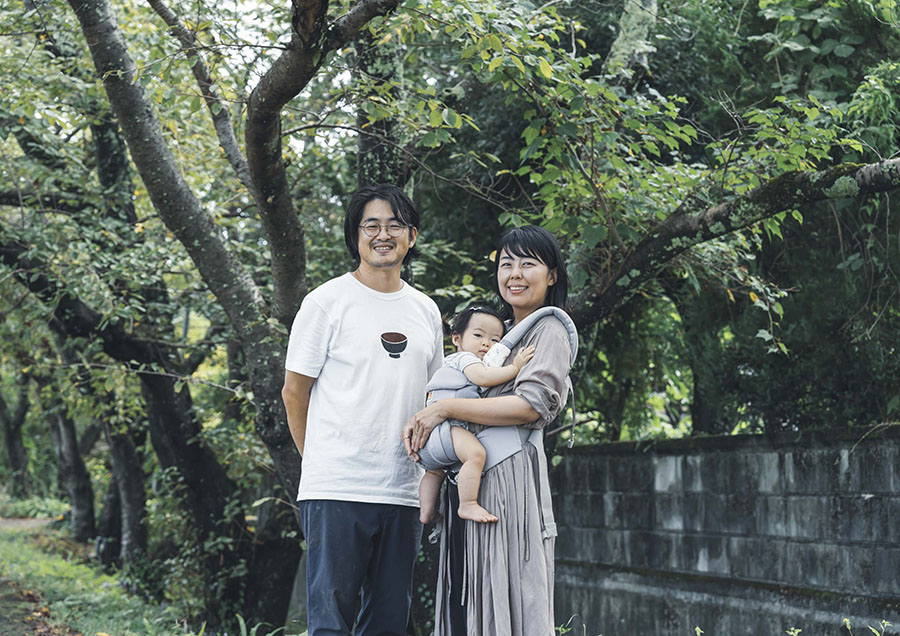
My background lies in a field of traditional craftsmanship unrelated to lacquer. After marrying my husband, a lacquer artist, I gradually came to learn about the material and was deeply drawn to its richness and quiet beauty.
His work ranges widely, from one-of-a-kind pieces and custom commissions to furnishings for temples and cultural properties. At times, he also produced casual items such as chopsticks or colorful cups in medium quantities—objects that felt approachable even to those unfamiliar with lacquerware.
However, amid the demands of his creative practice, it was difficult to maintain stable production and sales. To address this, I decided to separate these everyday-oriented products from his individual work and establish NULworks as a brand under my direction. My husband oversees design and technical supervision, while production and sales are organized through a collaborative structure.
At the core of NULworks is the idea of bringing lacquer closer to everyday life. Rather than presenting it as something formal or distant, we value creating objects that can be naturally used and appreciated in daily routines. By lowering the threshold, we hope lacquer can be enjoyed as part of ordinary living.
— What inspired you to begin making “urushi chopsticks,” and what thoughts do you bring to this work?
Sakamoto:
Among lacquerware, I felt that chopsticks are the most familiar objects in everyday life. They are tools that everyone uses daily, and the difference between lacquerware and other materials can be sensed intuitively through touch and use. For that reason, chopsticks felt like the ideal introduction to lacquer for those encountering it for the first time.
Today, chopsticks remain a central product of NULworks, while we also continue to explore the possibility of expanding into other items.
The Mystery of Sap Flowing Like Blood
— What do you find most fascinating or mysterious about lacquer as a material in your daily practice?
Sakamoto:
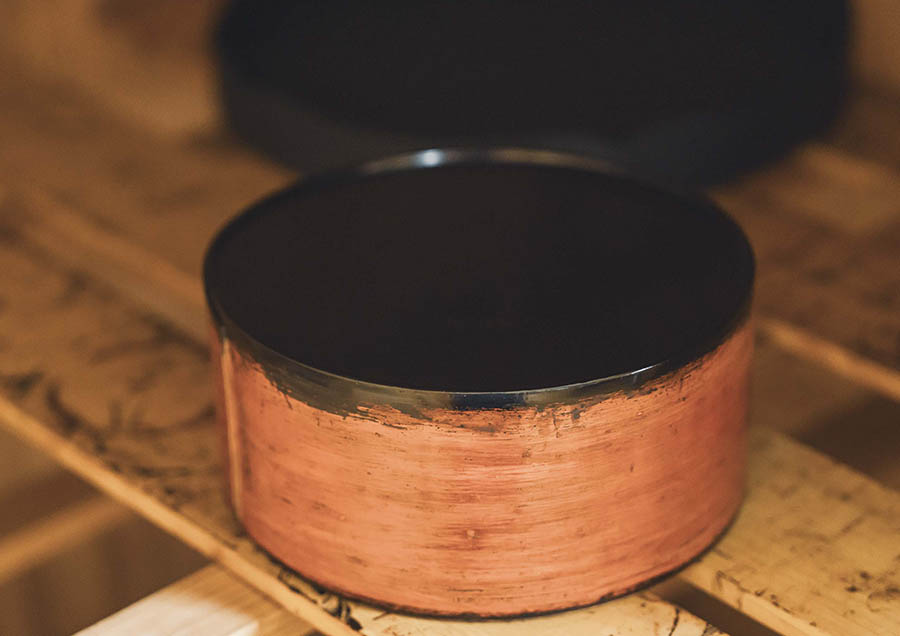
Lacquer is a completely natural material derived from tree sap. It possesses remarkable adhesive strength and was once highly valued as a binding agent. When used to join pieces of wood, it resists separation, and it also shows strong resistance to water, acids, and alkalis. Each time I encounter this strength, I am reminded of how extraordinary the material truly is.
At the same time, its beauty is unparalleled. The deep, distinctive luster of lacquer feels like the glow of life itself—like blood flowing through the lacquer tree. Lacquer has been used by people since the Jōmon period over 9,000 years ago, and by the Edo period it had become an essential part of everyday dining for ordinary households. Thinking of lacquer as a material that has lived alongside people throughout history evokes a sense of quiet mystery.
Another surprising quality is its gentle feel to the touch. Lacquer has a moisture balance close to that of human skin, allowing it to blend naturally with the fingertips. Even the Japanese character for “urushi,” which combines elements associated with water, wood, and people, seems to reflect this nature.
In recent years, research has also confirmed lacquer’s antibacterial properties, and during the COVID-19 pandemic it was shown to inactivate viruses. Perhaps people in the past understood its power intuitively, through lived experience.
— Are there particular aspects of the materials or techniques—such as wood and lacquer—that you pay special attention to?
Sakamoto:
This may seem subtle, but we place great importance on the texture of the lacquer finish. It must feel smooth against the lips without interfering with the taste of food, yet not so slippery that it becomes difficult to hold. Achieving this precise balance requires a high level of skill and experience.
We also value creating products that people unfamiliar with lacquer can naturally pick up and feel drawn to. For that reason, visual appeal is essential. We carefully design not only the objects themselves but also their packaging and presentation, so they can be communicated as items that enrich everyday life.
That said, what matters most begins after the product is taken into the hand. Today, there are many inexpensive products labeled as “○○-coated” that imitate the look of lacquer without using natural urushi. While I do not think such products are inherently bad, if given the choice, I would want people to experience the true qualities of real lacquer. With that in mind, we are committed to sincere craftsmanship without compromise.
An Attitude Toward the Table, Rooted in the Senses
— Your works seem to balance both ease of use and beauty. What do you value most in the making process?
Sakamoto:
It may sound exaggerated, but I hope that something as simple as changing one’s chopsticks can become an opportunity to shift how we approach a meal—and even how we relate to ourselves. Not only beauty, but the comfort and awareness that arise through use: this is the quiet strength of lacquer, and something NULworks holds dear.
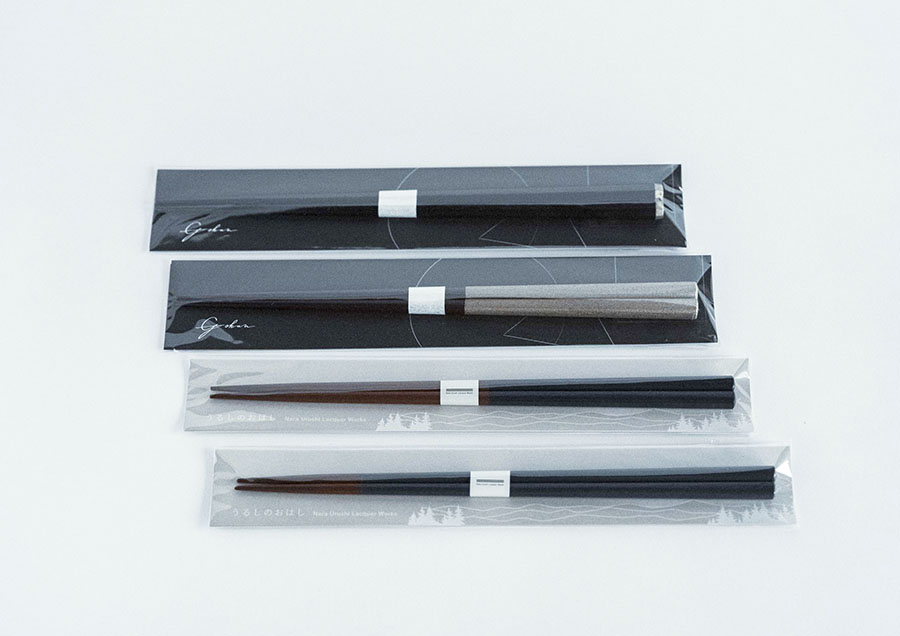
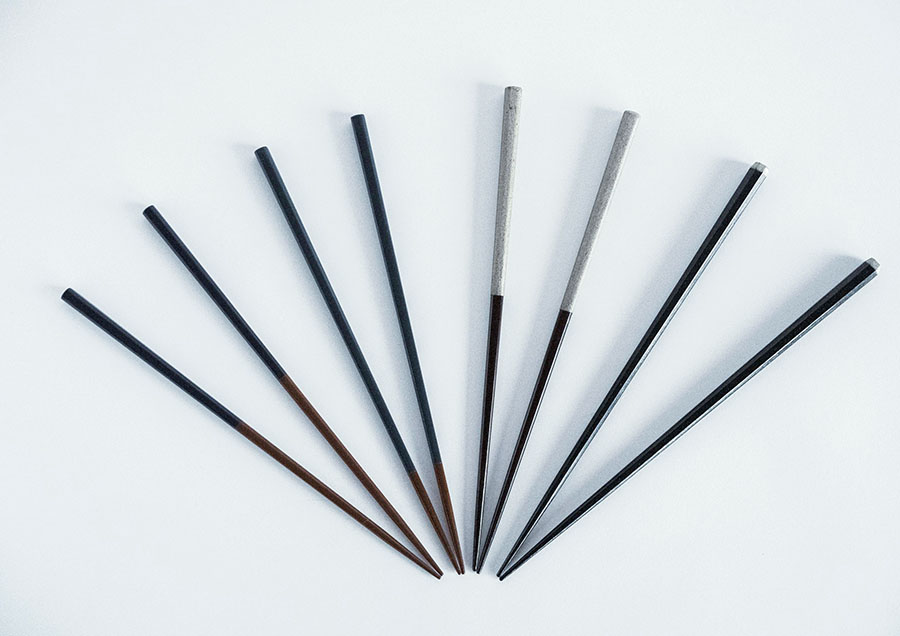
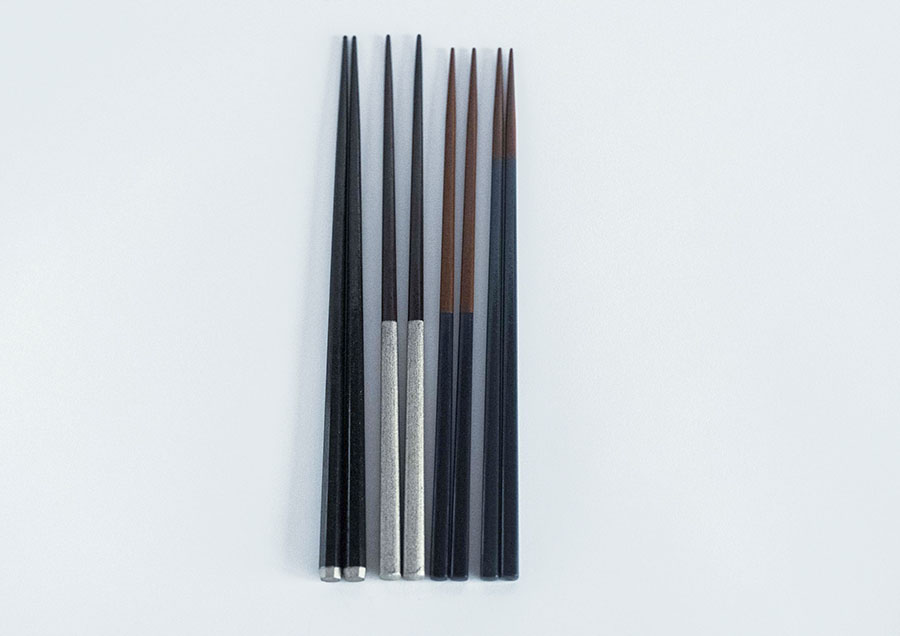
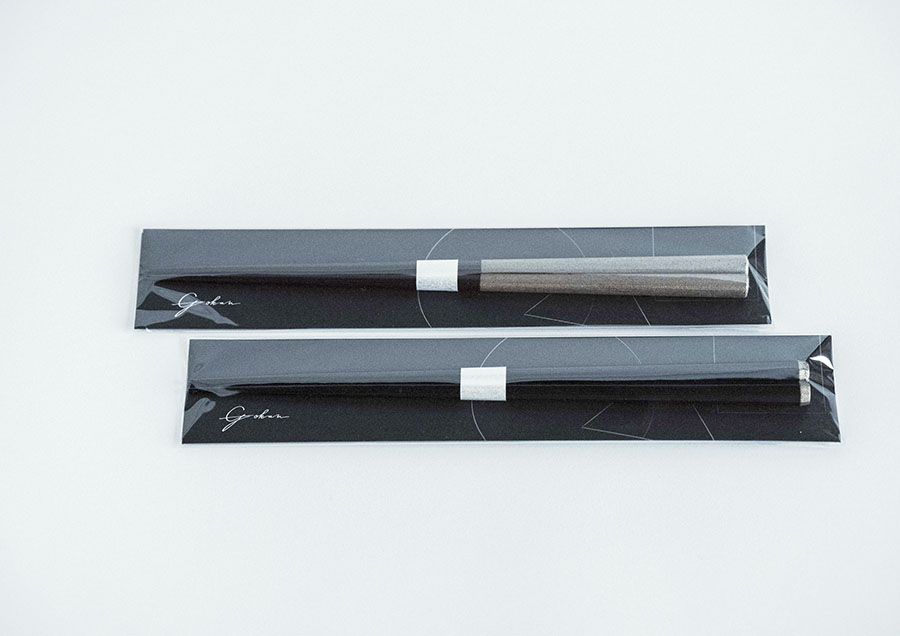
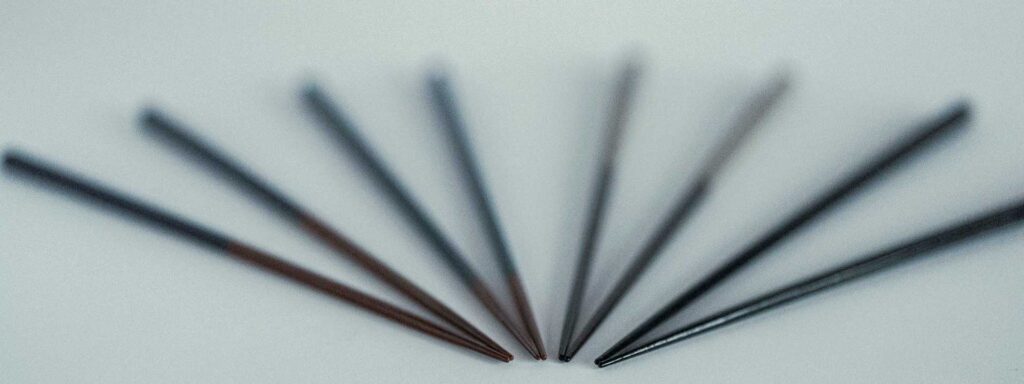
We have named our newly developed, more subdued series the gokan series. The name carries two meanings: gokan as the “five senses,” and gokan as “interconnection.” Through chopsticks, we imagine a circulation between the life of the ingredients and the life of the person who eats them.
The name is also inspired by the Buddhist concept of the Gokan-no-ge—a verse recited in Zen practice that reflects on the mindset with which one receives a meal. It expresses gratitude for the efforts that made the food possible, encourages self-reflection, calls for freedom from greed, and views eating as nourishment for both body and spirit, taken in order to continue one’s path of practice.
Themes such as sustainability and spiritual richness have become common concerns in contemporary society. The act of choosing a favorite pair of chopsticks, using them with care over time, and preparing one’s mind for each meal may well align with the kind of richness our era is seeking.
Toward Lacquerware That Blends into Everyday Life
— As chopsticks intended for daily use, what kinds of moments or settings do you envision when creating them?
Sakamoto:
Rather than approaching lacquer with a sense of formality or reserve because it is considered luxurious, we hope it can appear naturally on the everyday dining table, simply as a tool for daily life.
Changing one’s chopsticks can subtly change the taste of a meal—in that sense, chopsticks are part of the meal itself. You find yourself reaching for the same pair without thinking, and one day, when you use a different pair, something feels slightly off. If our chopsticks can quietly become such a familiar and cherished presence within daily life, that would make us very happy.
Whether for someone living alone or for a family, we hope that moments beginning with “itadakimasu,” with urushi chopsticks at hand, will continue to be rich and meaningful.
— Are there any comments from users that have left a strong impression on you?
Sakamoto:
One remark that stayed with me was, “Using these chopsticks makes my movements look more graceful.”
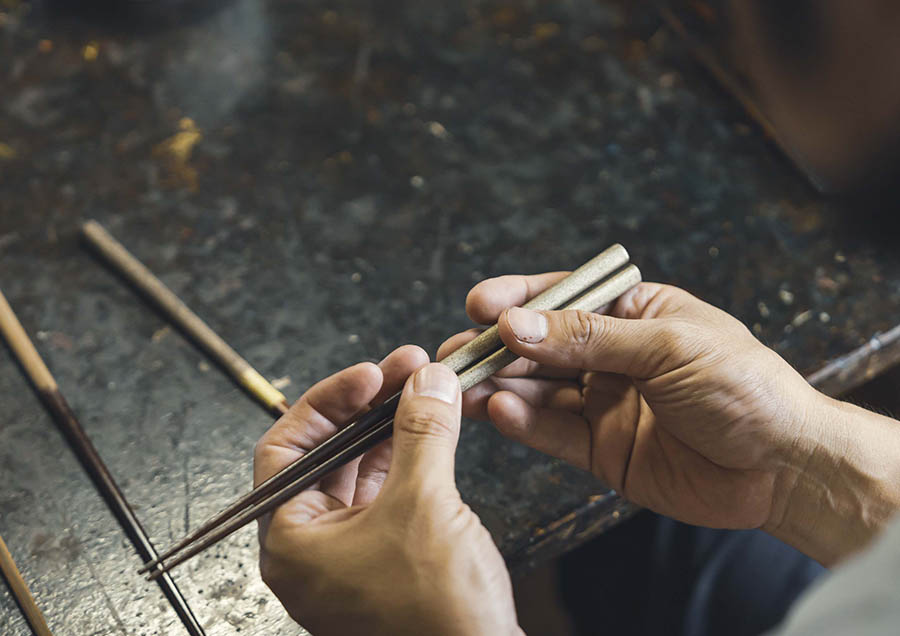
Another thing that continually surprises me during face-to-face sales is the incredible variety in how people hold their chopsticks. Not only the shape of the hand, but also the position where chopsticks are held differs greatly from person to person. Through this, I realized that broad categories such as men’s, women’s, or children’s chopsticks do not always align with what actually feels right in the hand.
Preferences vary widely in terms of handle shape—square, octagonal, and more—as well as length and thickness. Seeing someone hold a pair, exclaim “This is it,” and feel genuine joy at finding chopsticks that truly suit them is one of the greatest rewards of making.
— How do you hope to connect the tradition of lacquer with the present day?
Sakamoto:
Many younger people, as well as those from overseas, are not familiar with lacquer at all. In such cases, presenting formal, traditional lacquerware and simply saying “this is wonderful” naturally creates a high barrier.
Rather than emphasizing lacquer as a material from the outset, NULworks aims to draw interest through design and atmosphere. We believe that once people actually use our products, the inherent qualities of lacquer will speak for themselves.
As more people step through this initial doorway of interest, we see it as the foundation for carrying lacquer culture into the present—and onward into the next generation.
Colors Shaped by the Landscape of OKUYAMATO
— What led you to choose Uda City in Nara Prefecture as your base?
Sakamoto:
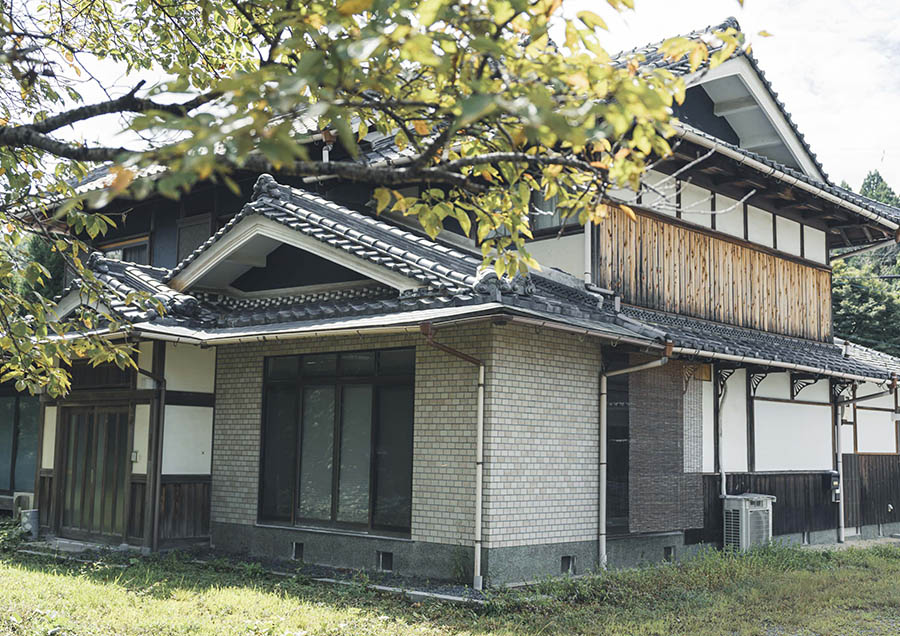
I previously lived in Nara City. While searching for a place where our home and workshop could exist as one, I came across our current location. Since 2022, we have been using a former sewing factory as both a residence and a studio.
Our move was not driven by a particular attachment to Okuyamato; it was more a matter of chance. However, once we began living here, we found the natural surroundings and the ease of raising children to be deeply appealing. After settling in, I also learned that Uda is connected to legends involving lacquer and Yamato Takeru, and is said to be a place where lacquerware first originated. In Ōuda, Uda City, there is an area called Ureshigawara, a name believed to have evolved from Urushigawara—“lacquer riverbank.”
Though coincidental, it feels like a meaningful and mysterious connection.
— How do you feel the natural environment of Okuyamato influences your work?
Sakamoto:
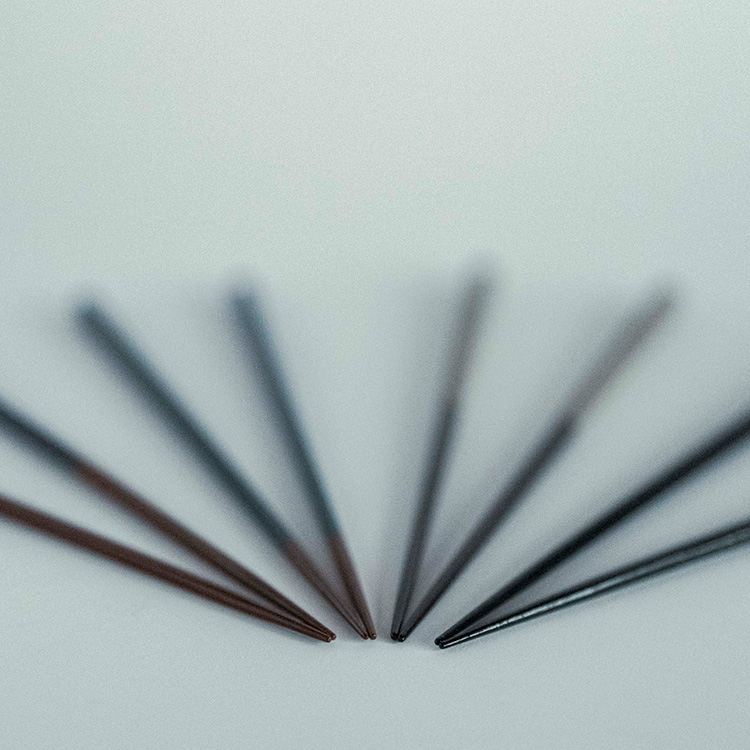
The rich natural environment of Uda has a profound influence on my making. Inspired by the colors of the mountains, cherry blossoms, and everyday scenery, we created a colorful line of chopsticks called the Okuyamato Series.
The changing seasons and local wildlife are endlessly fascinating, and the land itself has become a source of inspiration.
Uda is also a region with a strong tradition of forestry and woodworking, and I hope to further explore making things that draw upon these local resources.
Sharing Lacquer with the World, Together with the Region
— What would you like to challenge yourself with in the future?
Sakamoto:
Awareness of lacquer remains limited outside Japan, and I hope to communicate its appeal more actively overseas. In particular, I would like to introduce the Urushi Chopsticks series as cutlery for Japanese cuisine, building on its close relationship with food culture.
At the same time, we plan to develop activities connected to the region, such as offering lacquer experiences for inbound visitors. By forming teams and establishing systems of collaboration and shared roles, I hope to cultivate NULworks as a platform where people with diverse skills can participate.
By functioning as a “producer,” NULworks aims to open new possibilities—not only for lacquer, but also through broader perspectives on craft and the culture of Nara.
Products
Company Info.
| Name | NULworks |
| Location | 〒633-2226 1173 Utano Furuichiba, Uda City, Nara |
| info.nulworks@gmail.com | |
| HP | http://www.urushi-no-irodori.com/ |
 |